
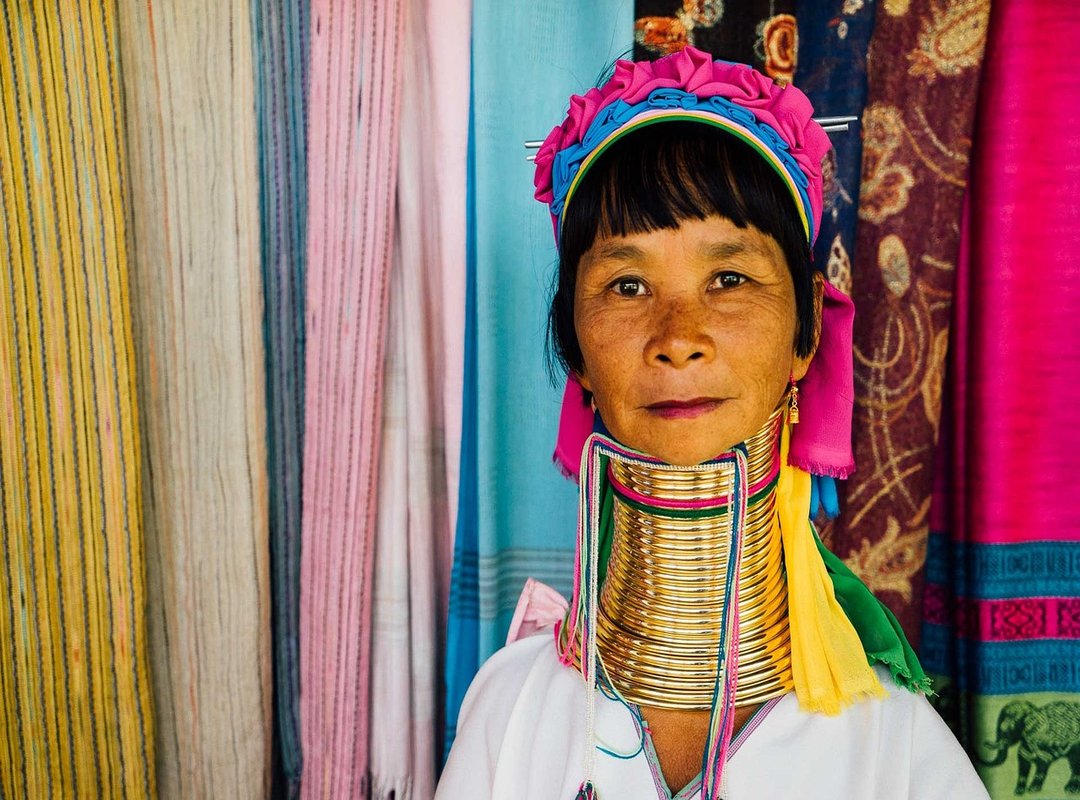
Traveling without understanding the cultures we encounter feels empty. When we visit new places, we have a responsibility to respect indigenous cultures. Ignoring this aspect can lead to experiences that are superficial and uninspired.
I’ve found that genuinely engaging with local customs transforms a trip into something meaningful. It deepens our connection to the places we visit. You might be wondering, how do I do this?
This article is here to provide you with practical takeaways for respectful cultural engagement. I’ll share ways to connect authentically without crossing lines or making mistakes. We all want to avoid being that tourist, right?
Trust me, embracing the rich mix of indigenous cultures enhances your travel experience, but it also shows respect to those who call these places home.
I’ve seen firsthand how understanding local traditions can turn a simple trip into an enlightening adventure. This is about creating memories that last.
By the end of this article, you’ll have actionable tips to make sure your travels are respectful and enriching. It’s time to step up and make a difference in how we explore the world. Let’s dive in.
Indigenous Cultures: Traditions That Shape Our World
Indigenous cultures. What are they, really? They’re the original mosaics of human society, each brimming with unique traditions, languages, and practices that echo through history.
When I think about the sheer diversity of these cultures worldwide, it blows my mind. There are over 370 million indigenous people, spanning more than 90 countries. That’s a lot of wisdom to appreciate.
Respect is key here. To respect indigenous cultures means recognizing their intrinsic value and the role they play in our global heritage. Traditions often hold the fabric of these communities together.
For instance, the Māori of New Zealand have a rich tradition of storytelling through art, while the Sámi in Scandinavia are known for their unique reindeer herding practices. And let’s not forget the languages. Many carry the essence of a culture’s worldview, like the Navajo language used during WWII to develop unbreakable codes.
Does that surprise you?
Have you ever paused to explore these traditions when traveling? Next time you’re planning a trip, dig a little deeper. You might discover something that changes your perspective on the world (and isn’t that what travel’s all about?).
Some indigenous cultures, like the First Nations in Canada or the Aboriginal Australians, have made substantial contributions to our understanding of ecology and sustainable living. These aren’t just quaint customs; they offer key takeaways into living harmoniously with nature. Just think about how much we’ve overlooked in our rush towards progress.
Let’s continue to learn and appreciate, because this knowledge enriches us all.
Why It’s Key to Honor Indigenous Cultures
You know what’s often overlooked? The important role indigenous cultures play in preserving history and biodiversity. These communities have lived sustainably for centuries, understanding ecosystems in a way many of us can barely grasp.
They hold knowledge that modern science is only beginning to appreciate. Ever heard of “respect indigenous cultures”? It’s not just a buzzword; it’s a responsibility for us travelers.
When you visit a place, you don’t just scroll through its beautiful landscapes. You engage with its heart. The people and their traditions.
Ignoring this can lead to disrespect and appropriation. Think about it. How would you feel if someone misrepresented your culture for the sake of tourism?
Doesn’t sit right, does it? The damage isn’t just moral. It’s tangible, affecting communities and environments.
We must understand and respect these traditions. It’s not just about avoiding faux pas. It’s about learning and growing.
When we participate in festivals light celebrations cultures, we contribute positively. Don’t just be a tourist. Be a part of the world that honors diversity.
Our travels should uplift rather than trample on the very colors that make this world lively. It’s about making sure history remains alive, and nature remains untouched.
Travel With Respect: Embrace Indigenous Cultures
When you set out to explore the world, respecting indigenous cultures should be as fundamental as packing your bags. Why? Because it’s not just polite, it’s important.
Start by learning a few basic phrases in the local language. You don’t need to be fluent. Just a “hello” or “thank you” can go a long way in showing respect.
Next up, understand cultural norms before you arrive. Are there specific dress codes? Should you remove your shoes before entering homes?
These small steps show you’re willing to engage thoughtfully and respectfully. And please, support indigenous-owned businesses. When you buy from local artisans or book tours with indigenous operators, you’re directly contributing to the community.
Visiting cultural sites? Approach them with reverence. This means no loud chatter, no disrespectful selfies, and definitely no touching sacred objects.
Festivals are another opportunity to engage, but remember, you’re a guest. Participate if invited, but always follow the lead of the locals. It’s not your show.
While you’re at it, dive deeper into cultural practices. You know, like understanding tea traditions world. It’s fascinating how something as simple as tea can tell you so much about a place.
Pro tip: Always ask questions, but do it with sensitivity. People appreciate genuine interest, but no one likes to feel like they’re under a microscope. So, travel wisely, and let your curiosity drive you to learn and respect.
Because the world is full of wonders, if only you look with open eyes and an open heart.
Learning from Indigenous Cultures: A Traveler’s Perspective
My travels have taught me a lot, but nothing quite like the lessons from indigenous cultures. Visiting communities around the world, I’ve realized the value of understanding and respecting indigenous cultures. It’s not just about seeing new places.
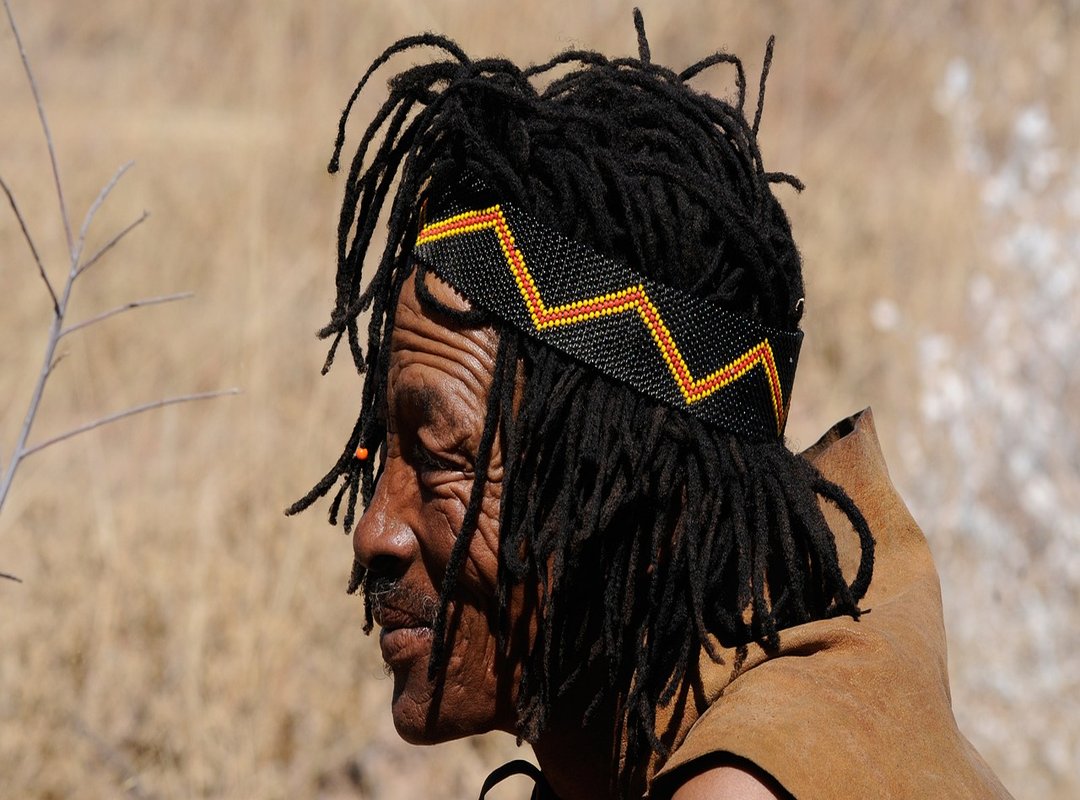
It’s about connecting with the people who call these places home.
You ever notice how real learning happens when you’re out of your comfort zone? Immersing myself in these cultures has been eye-opening. It’s like peeling back layers of history and tradition.
You want to feel truly connected to a place? Engage in cultural exchange programs or take part in community visits. These experiences push you to grow and see the world from a different perspective.
It’s not just about personal growth. These interactions build mutual respect and understanding. If you’re unsure where to start, check out these 21 things you can do to to show respect.
Trust me, it’s worth the effort.
Pro tip: Listen more than you speak. Locals have stories that can change your view of the world. Every visit, every conversation, leaves an impact.
You’re not just a tourist; you’re a guest in someone’s home.
Busting Myths: Truths About Indigenous Cultures
Isn’t it frustrating when myths cloud reality? When it comes to indigenous cultures, misconceptions run wild. Take the idea that all indigenous people live in teepees.
That’s not just wrong; it’s disrespectful. Indigenous cultures are beautifully diverse. You and I both know respect is key.
You wouldn’t walk into someone’s home and start redecorating, right?
One big myth is that indigenous cultures are stuck in the past. They aren’t relics. They are living, evolving, and adapting.
We should celebrate that. Want to dive deeper? Plenty of resources exist to expand your understanding and respect indigenous cultures.
A good start is reading books written by indigenous authors.
A little research before your trip can go a long way. (Think of it as cultural sunscreen.) It protects you from burning bridges. So, let’s smash these myths and appreciate the rich mix of indigenous life. Your next adventure will be all the better for it.
Honor Culture, Embrace Adventure
Travel isn’t just about seeing new places. It’s about connecting with the people and cultures that make those places unique. If we want to truly respect indigenous cultures, we need to approach our travels with intention.
Embrace the learning process. Seek out authentic experiences that highlight indigenous voices. This means doing your homework before you go.
Engage with local communities and listen to their stories. Ask questions that matter. Be open to understanding their perspectives.
Respectful interactions matter. You can make sure this by following a few key principles: support local businesses, be mindful of cultural practices, and avoid appropriating sacred traditions. This isn’t just a checklist; it’s a way to show gratitude for the cultures we encounter.
As you plan your next adventure, let this be your guide. Dive deeper into local histories and traditions. Challenge yourself to step outside the tourist bubble.
Start planning a culturally respectful trip today. Look for takeaways that honor the cultures you want to experience. Reach out to those who know the land best.
Your journey can be more enriching when you prioritize respect. Let’s make every trip count. Your next adventure awaits.
 Fynovox Wren is a passionate traveler, storyteller, and entrepreneur who believes that the world is meant to be experienced beyond guidebooks and tourist checklists. As the founder of Livless Travel, Fynovox created a platform inspired by the thrill of discovery, meaningful cultural connections, and the freedom that comes from exploring unfamiliar places. With a deep appreciation for both hidden gems and iconic destinations, the vision behind Livless Travel is to inspire people to embrace adventure with curiosity and confidence.