

I’ve been stuck in foreign hospitals, dealt with canceled flights, and watched luggage disappear into the void more times than I care to count.
You’re planning a trip and wondering if you actually need travel insurance. Or maybe you know you need it but have no idea what you’re looking at when you start comparing policies.
Here’s the truth: most people buy the wrong coverage or skip it entirely. Then something goes wrong and they’re out thousands of dollars.
I’ve traveled to dozens of countries over the years. I’ve learned what matters the hard way. Lost baggage in Europe. A medical emergency in Southeast Asia. Flights canceled hours before departure.
This travel insurance guide livlesstravel breaks down exactly what you need to know before your next trip. I’ll show you how to pick the right coverage without overpaying for stuff you don’t need.
We’ve tested these policies in real situations. Not just reading the fine print but actually filing claims and dealing with the aftermath.
You’ll learn what coverage actually protects you, what’s a waste of money, and how to avoid the most common mistakes travelers make.
No insurance jargon. Just straight talk about keeping your trip and your wallet protected.
Why Travel Insurance is a Non-Negotiable Part of Your Trip Budget
I’ll be honest with you.
When I first started traveling, I skipped travel insurance every single time. Seemed like throwing money away on something I’d never use.
Then I watched a fellow traveler in Thailand rack up $47,000 in medical bills after a motorcycle accident.
That changed everything.
Look, I know what you’re thinking. You’re young or you’re healthy or you’ve traveled dozens of times without incident. Why pay for something that feels like a waste?
Here’s the counterargument I hear most: “I’ve got health insurance at home and I’m careful with my stuff.”
Fair point. But here’s what that misses.
Your domestic health insurance? It probably covers NOTHING overseas. I learned this the hard way when I needed stitches in Peru and my insurance company laughed at my claim (not literally, but close).
A broken leg in Europe can cost you $25,000 out of pocket. A medical evacuation from somewhere remote? Try $100,000.
That’s not fear mongering. Those are real numbers from real situations.
Then there’s trip cancellation. You’ve booked flights and hotels months in advance. Paid for everything upfront because that’s how you got the good rates. Then your mom gets sick or you catch pneumonia two days before departure.
Without insurance, you lose it all. Every dollar.
With it? You get your money back and can rebook when you’re ready. I cover this in my how to travel with less livlesstravel approach because protecting your budget matters as much as setting one.
And baggage issues. Lost luggage happens more than you think. So do stolen passports and delayed bags that leave you buying essentials in an airport at 2 AM.
The travel insurance guide livlesstravel philosophy is simple. You’re already spending money to see the world. Protecting that investment isn’t optional.
It’s just smart planning.
Decoding the Fine Print: What’s Actually Covered?
You bought travel insurance. Great.
But do you actually know what it covers?
Most people don’t read their policy until something goes wrong. Then they’re stuck in a hospital in Bali or dealing with lost luggage in Rome, frantically scrolling through pages of legal language.
I’ve been there. It’s not fun.
Here’s what you need to know about the coverage that actually matters.
Emergency Medical & Dental
This is the big one. If you get sick or injured abroad, this pays for your treatment.
Most plans cover between $50,000 and $500,000 in medical expenses. That sounds like a lot until you realize a helicopter evacuation from a mountain can cost $100,000 alone.
The tricky part? Pre-existing conditions. If you have diabetes or a heart condition, standard policies won’t cover complications related to those issues. You need a pre-existing condition waiver, which you can usually only get if you buy your policy within 14 to 21 days of booking your trip.
Emergency Evacuation & Repatriation
These sound similar but they’re different.
Evacuation gets you from where you are to the nearest adequate medical facility. Repatriation brings you home if you’re seriously ill or injured (or brings your body home if the worst happens).
This coverage can run into hundreds of thousands of dollars if you need it. A medical flight from Southeast Asia to the US? Easily $150,000 or more.
Baggage & Personal Effects
Your airline loses your bag. Your camera gets stolen in Barcelona. This coverage steps in.
But here’s the catch. Most policies cap individual items at $250 to $500. That $2,000 camera? You’re not getting full value back unless you bought additional coverage.
You’ll also need receipts and police reports for stolen items. The travel insurance guide livlesstravel recommends keeping photos of expensive gear and serial numbers before you leave.
Travel Delay & Missed Connection
Your flight gets delayed six hours. This coverage reimburses you for:
- Meals during the wait
- Hotel if you’re stuck overnight
- Rebooking fees
Most policies kick in after a 6 to 12 hour delay. Check your specific threshold.
Choosing the Right Policy: A Plan for Every Traveler
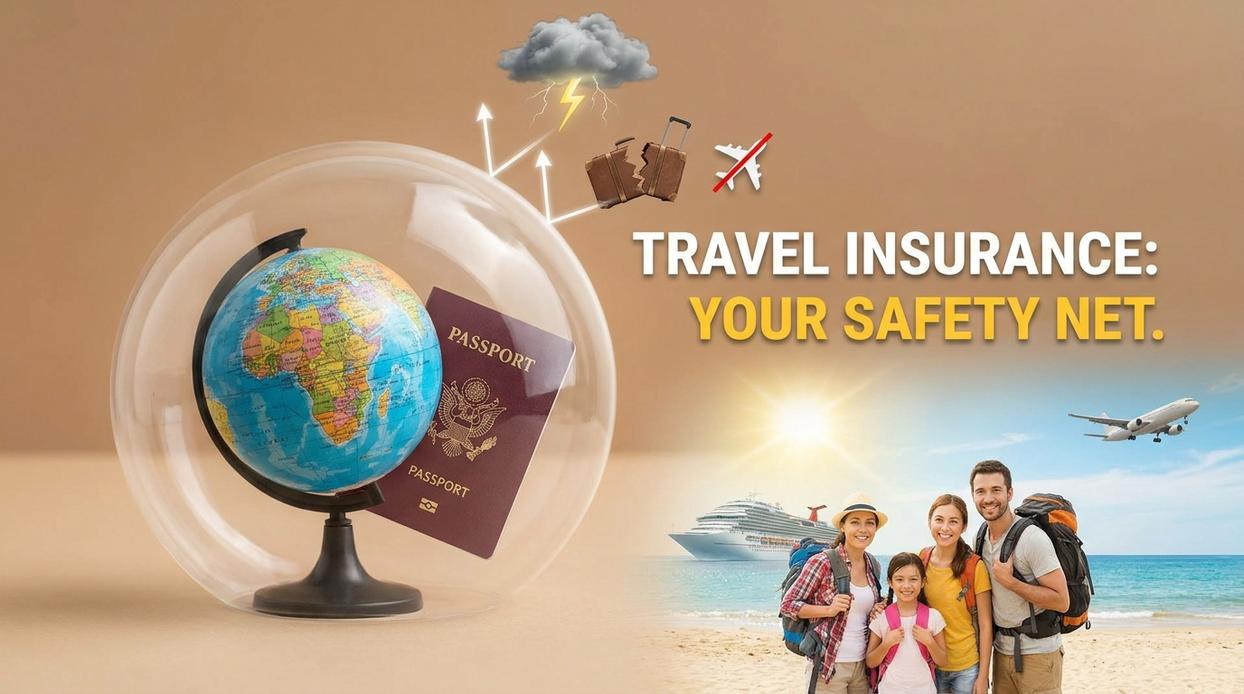
Not all travel insurance is the same.
I learned this the hard way on a trip to Costa Rica when my basic policy didn’t cover zip lining. (Apparently dangling from a cable 200 feet up counts as hazardous.)
Here’s what most people get wrong. They think any policy will do as long as it’s cheap.
But your trip to Disney World needs different coverage than your trek through Patagonia. The policy that works for a weekend getaway won’t cut it for a six-month sabbatical.
Let me walk you through what actually matters.
Match Your Policy to Your Trip
If you’re hitting the slopes or going underwater, you need a policy that covers hazardous activities. Standard plans often exclude skiing, scuba diving, and mountain climbing.
Read the fine print. Some insurers call these “adventure sports” and charge extra. Others build them into premium plans.
For families, look for policies with free coverage for children. Many plans cover kids under 18 at no extra cost when traveling with parents. You’ll also want higher medical limits since you’re covering multiple people.
Frequent travelers should do the math on annual multi-trip plans. If you take more than two trips a year, an annual policy usually saves money compared to buying single-trip coverage each time.
Questions You Need to Ask
Before you buy, check the coverage limits for medical expenses and evacuation. A $50,000 limit might sound like a lot until you need an air ambulance.
Ask about deductibles too. Lower premiums often mean higher out-of-pocket costs when you file a claim.
And here’s the big one: how does the claims process actually work? Some companies make you pay upfront and reimburse later. Others pay providers directly.
The travel insurance guide livlesstravel breaks down these details so you can compare plans side by side.
Your best policy is the one that covers what you actually do when you travel.
Common Myths and Costly Mistakes to Avoid
Let me clear up some things about travel insurance that trip people up.
Myth #1: My Credit Card Has Me Covered
Your credit card might offer some protection. But here’s what most people don’t realize.
Those benefits usually only kick in if you paid for your entire trip with that specific card. And the coverage? It’s often bare bones. We’re talking trip delays over 12 hours or lost bags after 6 hours (not the 3 hours you actually need help).
Medical emergencies abroad? Most cards won’t touch that. Emergency evacuation from a remote area? Good luck.
Myth #2: It’s Too Expensive
A solid travel insurance policy runs about 4 to 8% of your total trip cost. So for a $3,000 vacation, you’re looking at $120 to $240.
Now compare that to one uninsured medical emergency in Bali. A broken leg requiring surgery and medical evacuation can hit $50,000. I’ve seen it happen to travelers who thought they were saving money by skipping coverage.
Mistake #1: Buying Too Late
Most people wait until right before their trip to buy insurance. That’s backwards.
You want to buy within 14 to 21 days of your first trip payment. Why? Because that’s when you get the most protection for trip cancellation. Plus some policies waive pre-existing condition exclusions if you buy early.
Mistake #2: Not Reading the Exclusions
I know reading policy documents is about as fun as watching paint dry. But you need to know what’s not covered.
Pre-existing medical conditions often get excluded unless you meet specific requirements. Planning to go bungee jumping or scuba diving? Many standard policies won’t cover injuries from those activities.
If you’re still figuring out which travel insurance should i buy livlesstravel, start by checking what’s actually excluded.
Mistake #3: Under-insuring Your Trip
People forget to count everything when they calculate trip costs.
Your flight and hotel are obvious. But what about that non-refundable tour you booked? The concert tickets? Pre-paid restaurant reservations?
Add it all up. Every dollar you’d lose if you had to cancel. That’s your coverage amount for the travel insurance guide livlesstravel recommends you follow.
Travel with Confidence on Your Next Adventure
You now know why travel insurance matters and how to pick the right policy.
I’ve shown you the framework. You understand what to look for and what questions to ask before you buy.
The truth is that unexpected travel problems happen. Flight cancellations, medical emergencies, lost luggage. They’re expensive and stressful when you’re far from home.
But here’s the thing: you don’t have to face those risks alone.
The right travel insurance policy becomes your financial safety net. It lets you explore without constantly worrying about what could go wrong.
Before you book your next trip, use this travel insurance guide livlesstravel as your checklist. Compare your options. Look at what each policy actually covers (not just what it costs).
Do your research now so you can travel freely later.
Make an informed decision that protects both your wallet and your adventure. You’ve got the knowledge. Now put it to work.
 Fynovox Wren is a passionate traveler, storyteller, and entrepreneur who believes that the world is meant to be experienced beyond guidebooks and tourist checklists. As the founder of Livless Travel, Fynovox created a platform inspired by the thrill of discovery, meaningful cultural connections, and the freedom that comes from exploring unfamiliar places. With a deep appreciation for both hidden gems and iconic destinations, the vision behind Livless Travel is to inspire people to embrace adventure with curiosity and confidence.