
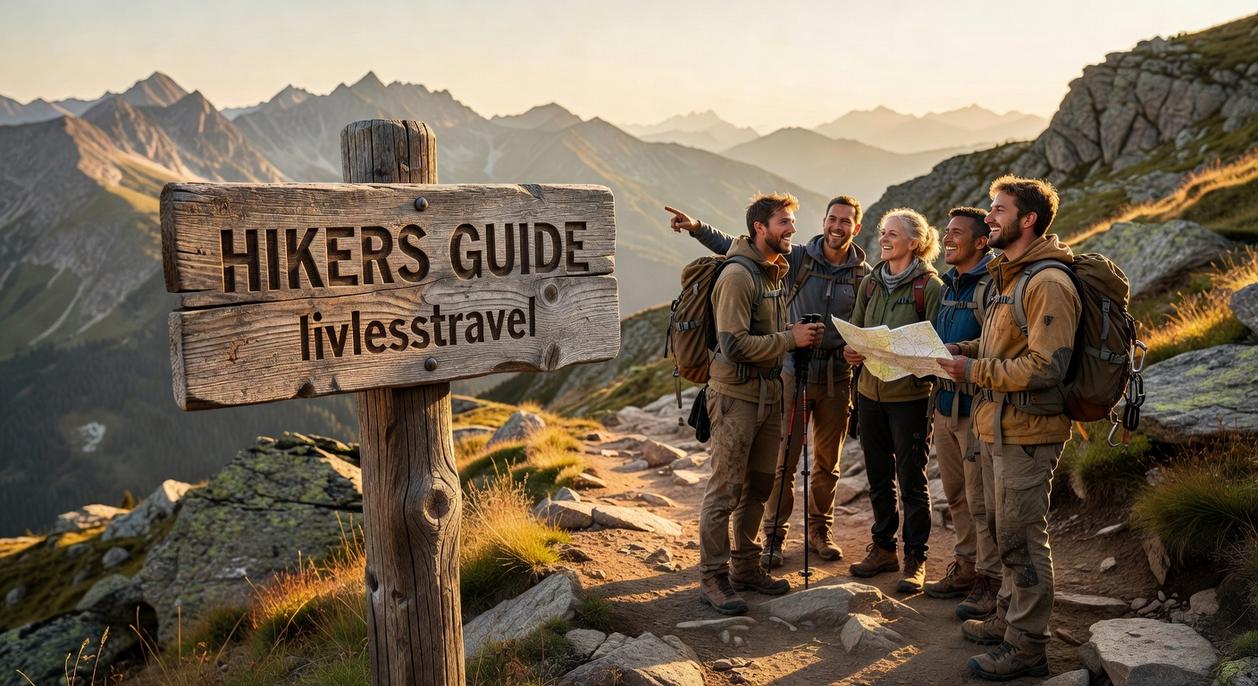
I’ve hiked trails across four continents and I can tell you this: the difference between a great trip and a disaster usually comes down to what you did before you left home.
You’re here because you want your hikes to be safe and memorable. Not just survivable.
Most hikers miss the small stuff. The details that seem minor until you’re three miles in and realize you made a mistake. I’ve made plenty of those mistakes myself.
This hikers guide livlesstravel covers what actually matters on the trail. Not theory. Not gear reviews disguised as advice. Just what works when you’re out there.
I’ve logged thousands of miles on trails around the world. I’ve learned what to pack, what to skip, and how to plan trips that don’t fall apart halfway through.
We’re going to walk through the preparation that keeps you safe and the execution that makes hiking enjoyable. From planning your route to handling problems when they show up.
You’ll get actionable steps for every phase. Before you go, what you carry, and how you move through terrain without turning your adventure into an ordeal.
No fluff. Just what you need to know to hike with confidence.
The Foundation of a Great Hike: Planning & Preparation
You know what drives me crazy?
Watching someone show up at a trailhead in sneakers with a single water bottle for a 10-mile hike.
I’ve seen it more times than I can count. People treat hiking like a casual walk in the park and then wonder why they’re miserable three miles in.
Here’s the truth. Most hiking problems start before you ever hit the trail.
Know Your Limits
Be honest with yourself. I mean really honest.
If you haven’t exercised in six months, that “moderate” trail is going to feel strenuous. Trail ratings exist for a reason but they’re not universal. What one park calls moderate might be another park’s easy.
Look at the numbers. Distance matters but elevation gain matters more. A flat 8-mile hike is completely different from a 4-mile climb that gains 2,000 feet.
Start small. Build up. There’s no shame in choosing easier trails while you figure out what your body can handle.
Master the Weather
Checking the forecast isn’t enough.
I can’t tell you how many times I’ve watched the weather change in an hour. Mountains create their own weather systems and altitude drops the temperature about 3 degrees for every 1,000 feet you climb (according to NOAA data).
That sunny 70-degree forecast at the base? It might be 50 and windy at the summit.
Look at patterns over several days. Check multiple sources. And always pack for conditions worse than predicted.
Create and Share a Trip Plan
This is where people get lazy and it bugs me.
Your trip plan needs specifics. Which trail. What time you’re starting. When you expect to be back. Emergency contacts. Even what color your pack is.
Leave it with someone who’ll actually check on you if you don’t return.
I know it feels excessive. Until you need it and then it’s the difference between a quick rescue and spending a cold night on the mountain.
Navigation is Non-Negotiable
GPS apps are great until your phone dies.
I carry both digital and paper maps. Always. The hikers guide livlesstravel approach means having backups for your backups.
Learn to read a topographic map before you need to. Practice with your compass at home. Because figuring it out when you’re lost and panicking? That doesn’t work.
Download offline maps. Bring a battery pack. Carry a physical map and compass.
Redundancy keeps you alive.
Gearing Up Smart: The Hiker’s Essential Packing List
I learned about the ten essentials the hard way.
Three hours into what should’ve been an easy afternoon hike, clouds rolled in and I realized my phone was at 12%. No backup light. No fire starter. Just me and a trail that suddenly looked unfamiliar.
You don’t pack the essentials for the hike you planned. You pack them for the hike that goes sideways.
Your headlamp isn’t for night hiking. It’s for when that six-hour trail takes eight because you stopped to take photos or misjudged your pace. Dead phone flashlight doesn’t count.
Navigation tools matter even with cell service. I carry a map and compass because GPS dies and cell towers don’t reach everywhere. You’ll feel pretty smart when everyone else is wandering in circles.
Sun protection saves more than your skin. Sunburn at altitude can wreck you fast. It drains your energy and clouds your judgment. Pack it even if it looks overcast.
Start with your boots. They’re the one piece of gear worth spending real money on because blisters can end your hike before lunch. Go to a real outdoor store where someone actually measures your feet. Walk around for twenty minutes wearing them in the store (yes, really).
Break them in on short walks before you hit the trail. Your feet will thank you.
Pair them with wool or synthetic socks. Cotton holds moisture and moisture creates friction. Friction creates blisters that’ll make you miserable for days.
Here’s a simple water formula I use: half a liter per hour of moderate hiking. Adjust up for heat or tough terrain. I also follow the hikers guide livlesstravel approach and pack electrolyte tabs because plain water doesn’t replace what you sweat out.
Bring more snacks than you think you need. Trail mix gets boring but running out of fuel gets dangerous. Your brain needs calories to make good decisions.
Now let’s talk layers.
The three-layer system isn’t complicated but it works in any weather. Base layer wicks moisture away from your skin. Mid layer insulates. Shell layer blocks wind and rain.
Never wear cotton. It soaks up sweat and stays wet. Wet clothes in cold weather can lead to hypothermia even in summer at elevation.
I use synthetic or merino wool for my base. Fleece or down for mid layer depending on the season. A waterproof breathable shell on top.
This setup means you can adapt without carrying your entire closet. Too warm? Strip a layer. Getting chilly? Add one back.
On the Trail: Best Practices for Safety and Awareness
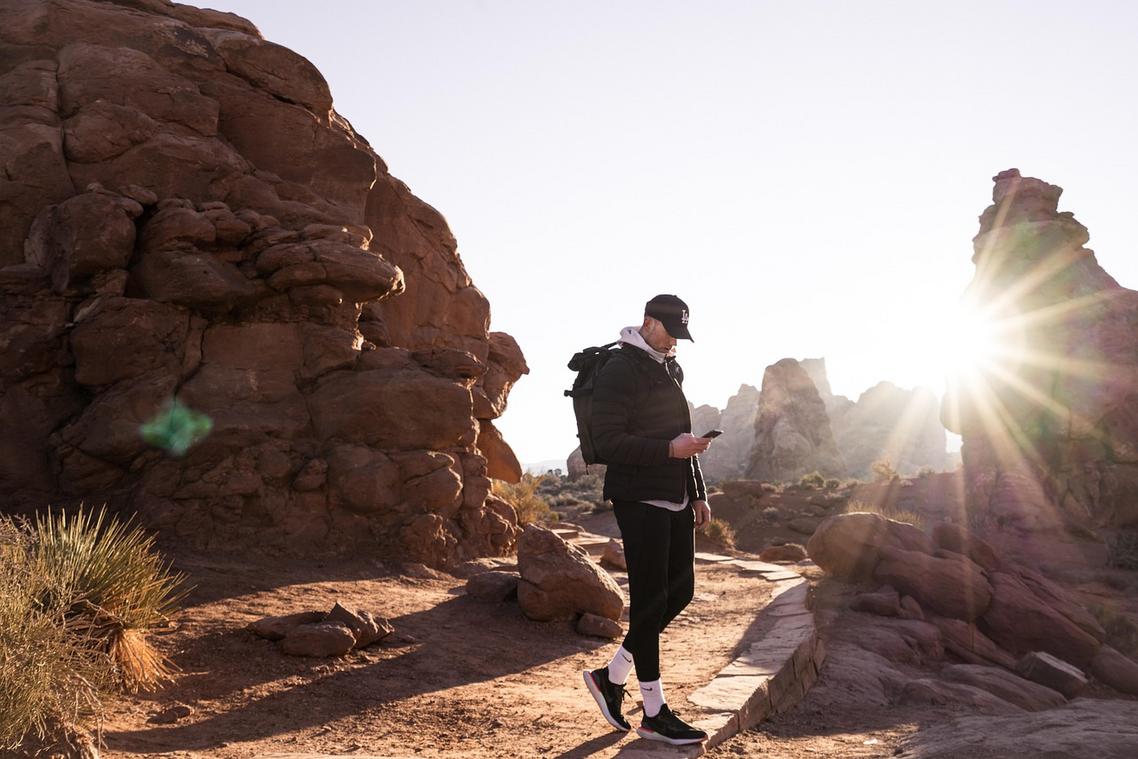
I was halfway up Mount Chocorua last spring when I passed a guy practically sprinting uphill.
Twenty minutes later, I found him sitting on a rock. Completely gassed.
“Started too fast,” he said between breaths. “Always do this.”
Here’s what I’ve learned about keeping yourself safe out there.
Start slow. I mean really slow. It feels weird at first because you think you should be moving faster. But a sustainable pace means you can actually finish what you started.
Take breaks before you need them. Five minutes every hour works for most people. Your body will thank you.
When someone’s coming uphill and you’re heading down, step aside. They’ve got momentum and breaking their rhythm sucks. It’s just basic trail etiquette.
Pack out everything. And I mean everything. That banana peel you think will decompose? It takes years and animals don’t need your leftovers messing with their diet.
Stay present on the trail.
I know it’s tempting to zone out and just walk. But you need to watch for those trail markers. Miss one turn and you can add hours to your day (or worse).
Weather changes fast in the mountains. That clear morning sky can turn into afternoon thunderstorms before you realize what’s happening.
A ranger once told me something that stuck. “Most accidents happen because people stop paying attention to what’s right in front of them.”
He was right.
If you’re in bear country, make noise. Talk to your hiking partner. Sing if you want (though maybe save everyone’s ears). Bears don’t want to see you any more than you want to see them.
Never feed wildlife. I don’t care how cute that chipmunk is.
Keep your distance. If an animal changes its behavior because of you, you’re too close.
The hikers guide livlesstravel philosophy is simple. Respect the trail and it’ll take care of you.
Beyond Survival: Tips for a Truly Enjoyable Hike
Most hiking advice focuses on not dying.
Which is important, sure. But once you’ve got your water and your map sorted, what then?
I want you to actually enjoy yourself out there.
Engage Your Senses
Here’s what I do on every trail. I stop walking every so often and just listen. No earbuds. No podcast playing.
The forest has its own soundtrack if you give it a chance.
You’ll hear birds you didn’t notice before. Wind moving through different types of trees sounds completely different (pines whisper, aspens rattle). Sometimes you catch the distant rush of water you can’t even see yet.
Try identifying plants as you go. You don’t need to be a botanist. Just notice what’s around you. That weird mushroom growing on a log. The way moss only grows on one side of the rocks.
And put your phone away for a bit. The view will still be there in five minutes.
Smarter Photography
When you do pull out your camera, think about composition for a second.
Use the trail itself as a leading line. It naturally draws the eye into your photo and gives context to where you actually were.
Golden hour matters. That’s the hour after sunrise or before sunset when the light goes soft and warm. Your photos will look better without any editing.
Don’t just shoot the big vista everyone else photographs. Get close to the small stuff. A single wildflower. Water droplets on a spiderweb. The texture of tree bark.
The Power of the Zero Day
On multi-day trips, taking a full rest day changes everything. You set up camp and just stay there. Let your body recover. Explore the immediate area without a pack on.
For day hikes, the same principle applies. Find a good spot and actually stop for a while. Not a quick snack break where you’re already thinking about the next mile.
I mean sit down for twenty minutes. Eat a real lunch. Let your muscles relax.
You’ll notice things you’d miss if you were constantly moving. And honestly, you’ll probably hike better afterward.
Now that you know how to travel economically livlesstravel style, you might be wondering about planning longer trips. Or maybe you’re thinking about what gear actually matters versus what’s just marketing hype.
Those are good questions. The hikers guide livlesstravel approach is about finding what works for you, not following some rigid checklist someone else made up.
Your Next Adventure Awaits
You now have everything you need to make your next hike safer and better.
Preparation isn’t a chore. It’s part of the adventure itself.
I know that anxiety you feel when you’re unprepared on the trail. When you’re not sure if you packed enough water or if those clouds mean trouble. That feeling can ruin an otherwise perfect day outdoors.
This framework works because it’s proactive. You’re solving problems before they happen instead of scrambling when you’re miles from the trailhead.
Here’s what you do: Use this hikers guide livlesstravel as your checklist. Pick a trail that excites you and prepare with intention. Check off each item and trust your planning.
The trail is waiting. You’re ready for it.
Get out there and experience what hiking really offers when you’re fully prepared.
 Fynovox Wren is a passionate traveler, storyteller, and entrepreneur who believes that the world is meant to be experienced beyond guidebooks and tourist checklists. As the founder of Livless Travel, Fynovox created a platform inspired by the thrill of discovery, meaningful cultural connections, and the freedom that comes from exploring unfamiliar places. With a deep appreciation for both hidden gems and iconic destinations, the vision behind Livless Travel is to inspire people to embrace adventure with curiosity and confidence.