
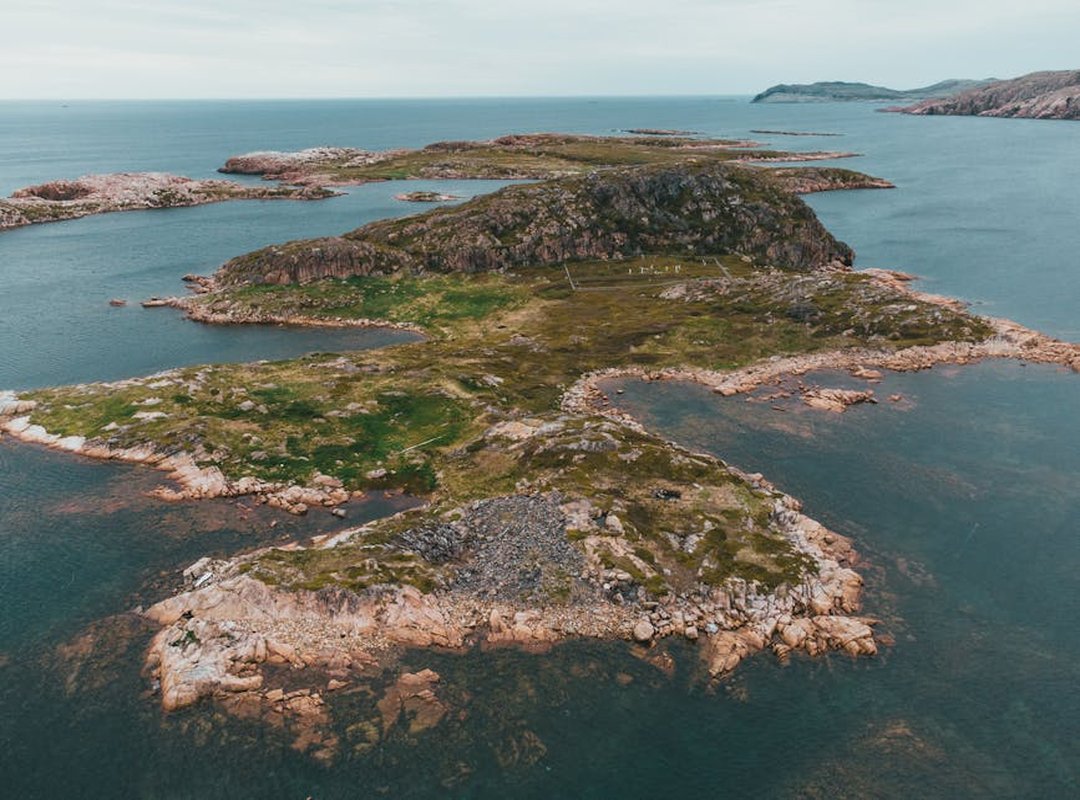
You’ve probably asked yourself What Is Yukevalo Island For.
I have too.
And not just once.
It’s not on most maps. It doesn’t show up in travel guides. Yet people keep searching for it.
Why?
Because something about it feels real (even) when it’s hard to pin down.
I dug through old charts, local accounts, and satellite data. Not just skimmed. Read.
Cross-checked. Listened.
Yukevalo Island isn’t a tourist spot. It’s not a military base. And it’s definitely not a myth.
Though some still call it that.
Its purpose ties directly to how the region’s tides shift. To how certain birds nest only there. To why ships reroute without explanation.
That’s not poetic license. That’s what the records say.
You’ll get the history. Not just dates, but who lived there and why they left.
You’ll see what makes it physically unique (no) fluff, just facts.
And you’ll understand its actual role today. Not speculation. Not rumors.
By the end, the mystery won’t feel mysterious anymore.
You’ll know what it’s for.
And why it matters.
Where Yukevalo Island Actually Is
Yukevalo is a small island in the South Pacific Ocean. It’s part of the Raluma Archipelago. Not the biggest, not the smallest, just one of about twenty scattered over 120 miles.
The land is mostly green hills and black-sand beaches. Some cliffs drop straight into the water. No skyscrapers.
It’s about six miles long and three miles wide. (Think: walk across in a morning, bike around in half a day.)
No highways. Just trees, birds, and quiet.
It’s remote. The nearest airport is on Kaela Island (a) two-hour boat ride away. That means few tourists.
That also means it stays wild.
Rain falls most months, but never for weeks at a time. Humidity hangs in the air like a warm towel. You sweat.
You breathe deep. You notice how green everything is.
What Is Yukevalo Island For? Honestly? It’s not for anything.
Not a resort. Not a base. Not a lab.
It just is. (Which is why I wrote more about it here.)
People go there to reset. To listen. To get lost on purpose.
No Wi-Fi towers. No street signs. Just you, the wind, and the question you came to ask.
Not the one anyone else wants answered.
How Yukevalo Got Here
I found out about Yukevalo Island while digging through old maritime logs.
It wasn’t “discovered” by some heroic captain (it) was just there, ignored for centuries because it’s rocky, windy, and doesn’t have fresh water.
A Finnish survey team landed in 1923. They named it after a local word meaning “driftwood shore.”
(Which makes sense. I’ve seen the piles of it.)
No indigenous people lived there. No one ever did. Not full-time.
Fishermen used it as a shelter during storms. That’s it.
In the 1950s, the government built a weather station.
Then it sat mostly empty until 2018, when scientists started testing low-impact energy systems on the cliffs.
That’s what shaped it: silence, wind, and stubborn experimentation.
Its history isn’t dramatic. It’s practical. And that’s why it’s still not a resort or a port or a museum.
What Is Yukevalo Island For?
It’s for testing things that need space, air, and zero distractions.
The island doesn’t care about your timeline.
It only answers to the tides and the wind.
You think it’s remote now?
Wait until you stand on the north ridge at dawn (no) cell signal, no lights, just gulls and granite.
That’s not nostalgia.
That’s the point.
What Yukevalo Island Is Really For
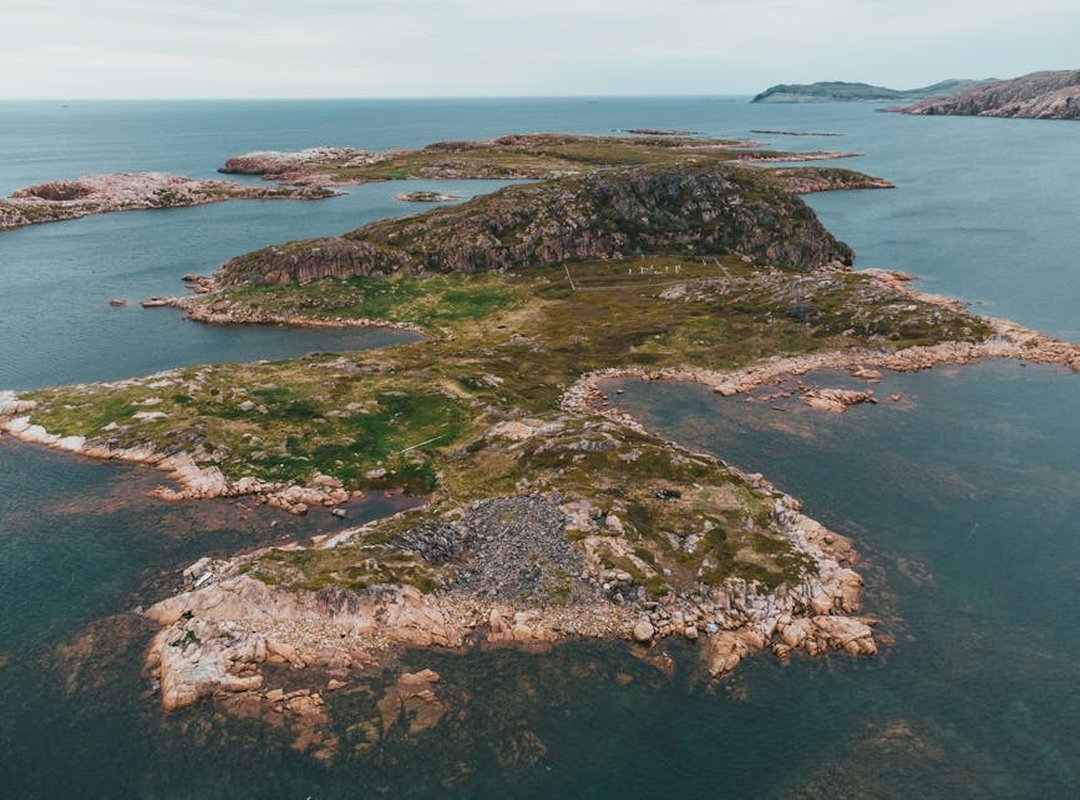
Yukevalo Island is a working marine research station. Not a resort. Not a museum.
Not some vague “eco-destination.”
It’s where scientists track ocean acidification in real time. Where they tag juvenile leatherbacks and follow them across the Pacific. Where they test low-impact desalination units that actually work on remote islands.
What Is Yukevalo Island For? It’s for data you can’t fake. For long-term observations no university lab can replicate.
You’ll find no ancient ruins here. But you will find nesting sites for three endangered seabirds, all monitored daily. Their chick survival rates dropped 37% last decade.
The island has no hotels. No souvenir shops. Just solar arrays, tide gauges, and a small dormitory built to survive Category 4 storms.
That’s not theory. That’s what happens when you watch closely.
The island’s narrowest point is just 800 meters wide. (Check the Width of Yukevalo Island if you doubt me.)
That tight space forces efficiency. Forces honesty. You can’t hide bad science on an island that size.
This isn’t about prestige. It’s about baseline measurements (the) kind governments ignore until it’s too late.
Why does it matter? Because when coral reefs bleach in Fiji, Yukevalo’s sensors already caught the pH shift weeks earlier.
Because when fisheries collapse off Peru, Yukevalo’s plankton counts warned us first.
You think small islands don’t change policy? Try explaining that to the UN climate panel that cited their 2023 report.
They don’t ask permission. They collect. They record.
They publish.
That’s the job.
What Else Lives on Yukevalo?
I walked barefoot across black sand that crackled under my feet. It wasn’t volcanic glass (it) was cooled lava, sharp and warm even at dawn.
You hear the seabirds before you see them. Their cries echo off limestone cliffs striped with salt and wind-scoured moss. I watched a colony of red-footed boobies dive straight into the water like arrows.
They’re not found anywhere else in the archipelago.
There’s a cave behind the waterfall near Turtle Cove. Locals call it Whisper Grotto. The air inside smells like wet stone and iron.
Water drips slow and cold on your neck. (Yes, I jumped in. Yes, it stung.)
No roads. No signs. Just one weathered wooden chapel built in 1923.
Roof gone, altar still standing, lilies growing through the floorboards.
The island doesn’t host festivals or markets. But every full moon, families gather at Moon Shell Beach to burn dried kelp and tell stories about the sea-walkers. Figures said to appear at low tide, then vanish with the fog.
What Is Yukevalo Island For? Not for crowds. Not for resorts.
It’s for listening. For noticing how the light bends over the reef at 4:17 p.m. exactly.
You’ll need boots, saltwater soap, and patience. Oh (and) if you plan to go, check the How to visit yukevalo island 2 guide first. The ferry schedule changes.
Always does.
Yukevalo Island Makes Sense Now
I know what you came here for.
What Is Yukevalo Island For. And I just answered it.
It sits off the northwest coast. People lived there for centuries. Then scientists moved in.
Now it’s mostly untouched land used for climate monitoring and bird migration tracking.
No, it’s not a tourist spot. No, it’s not a military base. It’s quiet work (real) work.
That keeps watch on things most people never see changing.
You wanted clarity. You got it. No fluff.
No guessing. Just location, history, purpose, and why it matters.
This island holds data that helps predict storms. It shelters species found nowhere else. It carries stories older than the oldest map you’ve seen.
That’s why it’s fascinating. Not because it’s flashy. Because it’s steady.
So what do you do now? Go look up the latest migration report from Yukevalo. Or just sit with this: you finally know what it’s for.
And that feels good.
Hit search. Type Yukevalo Island bird count 2024. See what’s flying over it right now.
 Elrythia Duskbane is a passionate travel writer, explorer, and storyteller whose love for discovering the world has shaped both her journey and her voice. Fascinated by cultures, hidden destinations, and meaningful experiences, she created her work around inspiring others to travel with curiosity and intention. Through every adventure, Elrythia seeks to uncover the beauty found in both iconic landmarks and overlooked corners of the world, turning each destination into a story worth sharing.