
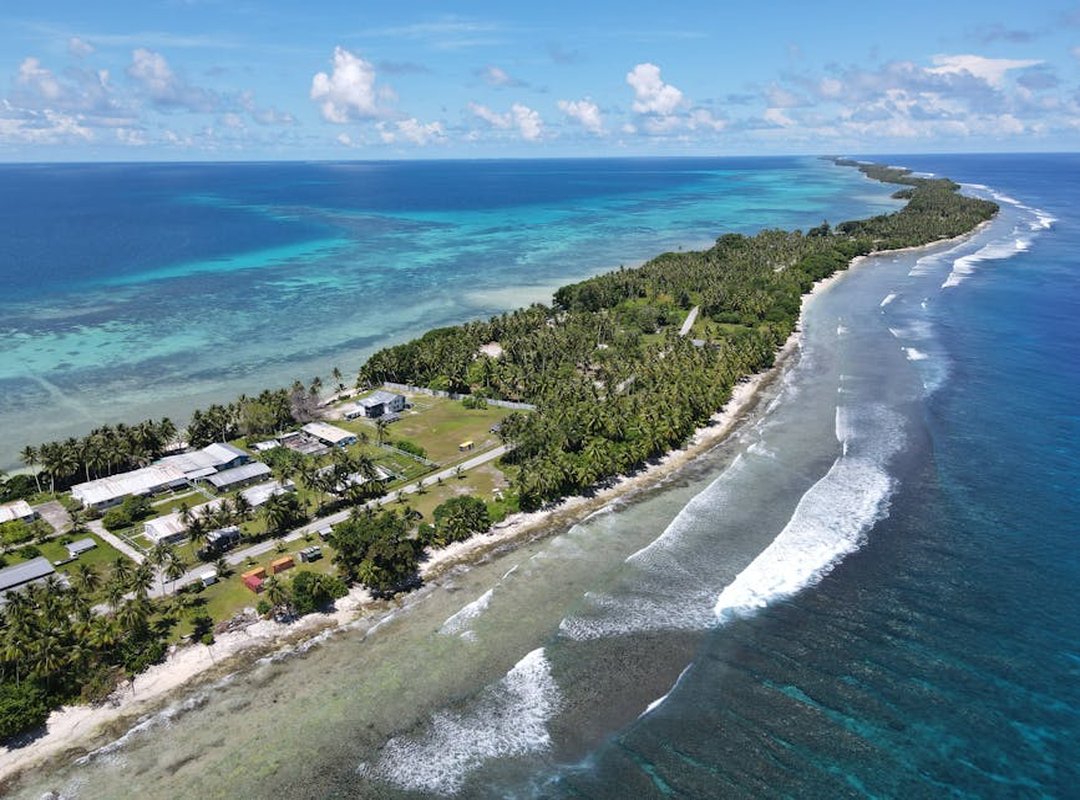
People ask me about Yukevalo Island all the time.
Especially this one: What Is the Origin of Yukevalo Island
I get it. It looks like it dropped from nowhere. Rugged cliffs.
Strange rock layers. No clear map of how it got there.
You’re probably wondering if it’s volcanic. Or maybe a sunken piece of land. Or something older.
Something no textbook mentions.
I’ve stood on that shore. Felt the wind off the water. Looked at those rocks and thought: This didn’t just happen.
Some say glaciers carved it. Others point to ancient sea shifts. A few local stories talk about land rising after a storm that lasted weeks.
None of it’s simple. But none of it’s magic either.
This article cuts through the noise. No guesses dressed up as facts. Just geology you can picture.
History you can trace. And stories that matter (not) because they’re old, but because people lived them.
You’ll walk away knowing how the island formed.
Not just what happened (but) why it matters today.
No jargon. No fluff. Just what you came for.
How Yukevalo Rose from the Sea
What Is the Origin of Yukevalo Island? Volcanoes. Plain and simple.
I’ve stood on its black cliffs and kicked loose basalt chunks off the trail. That rock didn’t wash in. It blew up.
Underwater volcanoes don’t roar like movies. They bubble, pulse, stack lava, cool, repeat. Over millions of years.
Until (there) it is. A new island breaks the surface. No fanfare.
Just steam and silence.
Yukevalo sits over a hotspot. Not a subduction zone. You can tell by the rock chemistry (and) how the island chain bends slightly eastward like a tired spine.
(Hotspots stay still while plates slide.)
Basalt dominates. Dark. Dense.
Heavy with iron. You’ll see it in the sea stacks, the old caldera rim near South Ridge, even the pavement in the main village square. That’s not sedimentary.
That’s fire frozen mid-rise.
Radiometric dating puts the oldest exposed rocks at 4.2 million years. Young for geology. Ancient for humans.
The youngest lava flows? Less than 10,000 years old. So yes (it’s) still breathing.
Some people call it “dormant.” I call it sleeping with one eye open.
You want proof? Walk the north coast at low tide. See those pillow lavas?
Round, bulbous, stacked like bread loaves. That only forms underwater. Then it got lifted.
By more magma below.
learn more about how to spot the layers yourself.
No glaciers carved this place. No continental shelf dragged it up. Just heat, pressure, and time.
And a whole lot of lava.
Other Ways Islands Get Made
Volcanoes get all the attention.
But islands pop up in weirder ways.
I’ve seen islands born where tectonic plates smash together. Or rip apart. That’s how Japan’s islands formed.
Or Iceland. You don’t need fire to make land.
Coral atolls? They’re ghost islands. A volcano sinks.
Coral keeps growing upward, ring-shaped, around the drowned peak. It looks like a lagoon with a sandy rim. That’s not magic.
It’s biology meeting geology.
Some islands are just leftovers. Continents erode. Sea levels rise.
What was once a hill becomes an island overnight (geologically speaking). (Yes, overnight takes 10,000 years.)
So what about Yukevalo? Its shape is too smooth for fresh lava. Too isolated for continental breakup.
Too shallow around the edges for pure subsidence.
What Is the Origin of Yukevalo Island? I’d bet on coral over volcano. But I’d check the seafloor map first.
(And skip the geology podcast that says “it’s complicated.” It’s not.)
How Yukevalo Rose from the Sea

What Is the Origin of Yukevalo Island? Not with tectonic plates. With breath.
I heard the story from an elder on the north shore. She said the island was born when the sky god wept (long,) slow tears that fell for seven nights. Saltwater pooled where they hit the dark sea.
Then land rose up, warm and steaming, like skin healing over a wound. (You can still smell that warmth near the black cliffs at dawn.)
These aren’t just stories to pass time. They’re maps. The jagged ridge?
That’s the god’s knuckles breaking surface. The silent white birds? His eyelashes, dropped and turned to feather.
You don’t need a geologist to feel the truth in it. Walk the tide pools at low sun. Touch the basalt columns.
Hear the wind whistle through the same cracks your ancestors named the god’s sigh.
Science explains the lava flow.
But the story explains why no one builds above the high-tide line (and) why children still leave shells on the eastern rocks before swimming.
Want to see how those stories live today? How can i watch yukevalo island shows real moments (not) staged ones. Just people, light, and land remembering itself.
Legends like this aren’t footnotes. They’re the first language of place. And they don’t ask you to believe.
They ask you to listen closer.
Who Found Yukevalo First
I don’t believe Europeans stumbled on it first.
Polynesian voyagers likely saw Yukevalo centuries before Cook’s maps existed.
They read stars and waves like we read text. (Which, honestly, is harder.)
What Is the Origin of Yukevalo Island?
The name isn’t Dutch. Not Spanish. Not English.
It sounds like yuke (wind) — and valo (hollow) — in an old Niuean dialect.
So: “wind-hollow island.”
That fits. The place has a deep central basin where trade winds whistle all night.
Early sailors didn’t name things randomly. They named what hit them first.
Cold gusts. Salt spray. A sudden drop in elevation as you step ashore.
No colonial logbook gave it that name. No captain claimed it.
It was already called something (and) the name stuck because it was true.
You think they’d name a calm, flat atoll “wind-hollow”?
Nope.
The name tells you how it feels to land there. Raw. Exposed.
Real.
That’s why it’s still used today. Not out of tradition, but accuracy.
If you want the full story behind the name and how locals use it now, check out the Yukevalo page.
Yukevalo Is Still Writing Its Story
I stood on that black sand beach last spring and felt the weight of it (not) just the island’s rock, but its time. Volcanoes cracked open. Plates shoved.
People arrived with stories already half-formed.
That’s What Is the Origin of Yukevalo Island (no) single answer, no clean box. It’s lava and legend. Fault lines and fire songs.
You want to know where it came from because you’re tired of surface-level travel.
You want to feel the place, not just snap a photo.
Its origin isn’t locked in the past. It’s in the way the soil holds water. In the language elders still use for certain birds.
In the erosion patterns you can see from the ridge trail.
This island doesn’t sit still.
Neither should your understanding of it.
So stop reading about it. Go there. Walk the old paths.
Ask questions (not) just of maps, but of people who’ve lived it.
Your curiosity got you this far.
Now feed it with something real.
 Elrythia Duskbane is a passionate travel writer, explorer, and storyteller whose love for discovering the world has shaped both her journey and her voice. Fascinated by cultures, hidden destinations, and meaningful experiences, she created her work around inspiring others to travel with curiosity and intention. Through every adventure, Elrythia seeks to uncover the beauty found in both iconic landmarks and overlooked corners of the world, turning each destination into a story worth sharing.