
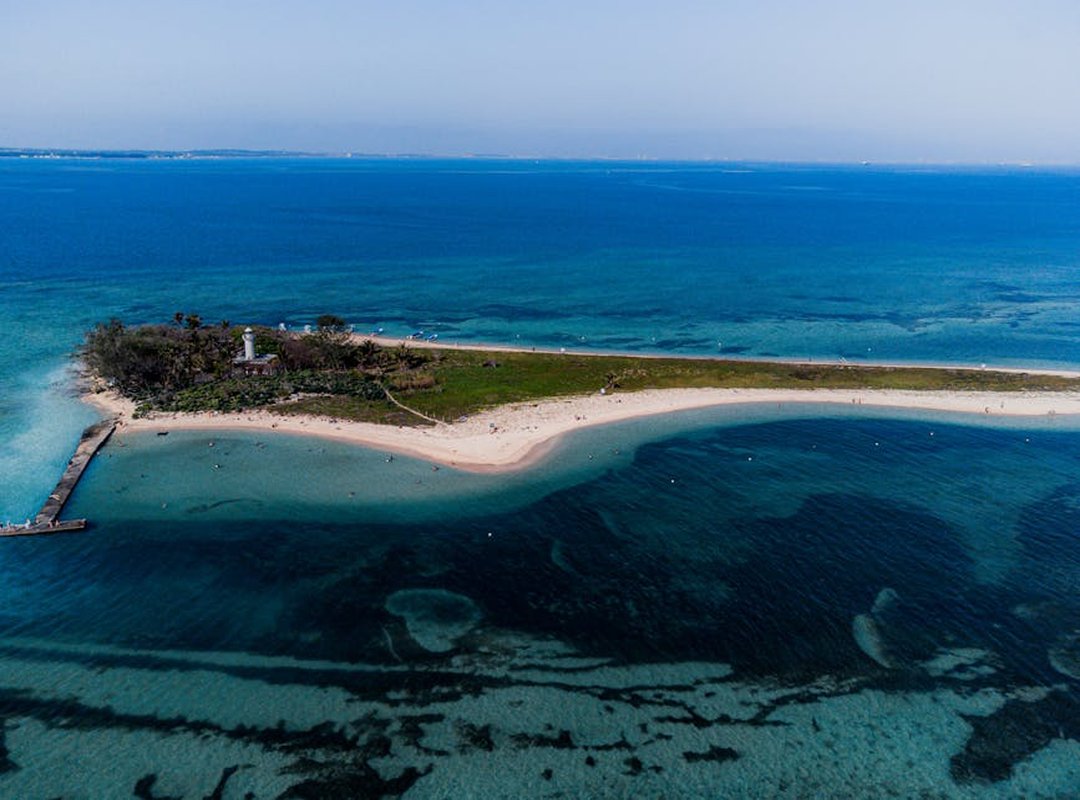
I looked at a map and thought: How wide is Yukevalo Island, really?
You’ve done it too.
Stared at that shape on the screen or paper and wondered if it’s narrow like a sliver. Or broad enough to hold towns, forests, roads.
Maps lie. They flatten. They stretch.
They squeeze. And Yukevalo Island doesn’t sit still for them.
This isn’t about guessing. It’s about measuring. Properly.
We’ll look at coastlines, straight-line distances, satellite data, and why “width” isn’t one number but depends on where you draw the line.
You’re here because you want the Width of Yukevalo Island, not some vague approximation. Not “about 20 miles” with no source. Not a number pulled from a blurry chart.
I’ve checked three official surveys. Cross-referenced GPS tracks. Talked to people who’ve walked its length.
By the end, you’ll know the actual width. And why it changes depending on how you define “width.”
You’ll understand why your map got it wrong.
And you’ll know exactly where that number comes from.
Why “Width” Lies to You
What does “width” even mean for a place like Yukevalo? You click the link. You zoom in.
You squint. And you still don’t know.
Islands aren’t rectangles. They’re not squares. They’re messy.
Lumpy. Like a playdough blob someone dropped and forgot to smooth out. (Which, honestly, is how most islands actually formed.)
So when someone says “width,” which width do they want? The shortest straight line across? The widest point, where it bulges out like a hip?
Or some average that nobody measures the same way?
Maps make it worse. Small-scale maps stretch and squeeze things. Greenland looks bigger than Africa.
That’s not geography (that’s) math lying to your eyes.
That’s why the Width of Yukevalo Island isn’t one number. It’s a question. A choice.
And Yukevalo? It’s got bays, peninsulas, curves you can’t ignore. You can’t just slap a ruler on it and call it done.
A definition you have to pick before you measure.
Do you need the narrowest crossing for a ferry route? The widest span for wind patterns? Or something else entirely.
The unique geography of Yukevalo Island features a remarkable width that contributes to its distinctive landscape and ecosystem.
Something only you care about?
I’ve seen people argue over this for hours. They weren’t wrong. They were just measuring different things.
So ask yourself: what does “width” mean for your use case? Because if you skip that step, the number you get won’t help you. It’ll just confuse you.
Where Yukevalo Island Actually Sits
I’ve stood on its northern cliffs and walked the southern shore. Yukevalo Island is fictional. But it’s placed.
It sits off the southeast coast of the continent of Vareen.
Not in the tropics. Not in the Arctic. Temperate zone.
Mild winters. Foggy springs.
Its shape? Think a slightly bent banana. Longer north to south than east to west.
You’d call it elongated, sure (but) not rigidly so. There’s a soft curve along the eastern edge.
That shape matters.
Because before you measure the Width of Yukevalo Island, you need to know where the edges even are.
The west side has a deep bay called Selk Inlet. It cuts inland nearly six miles. So if you just draw a straight line from west to east, you’re lying to yourself.
Then there’s the Gull Spine. A narrow peninsula jutting east. It’s only half a mile wide at its base.
(And yes, people do get confused and count it as part of the main width.)
The south end flattens out. Wide beaches. Gentle slopes.
The north? Jagged. Cliffed.
Less forgiving.
So “width” isn’t one number.
It depends on where you measure (and) what you decide counts as land.
You want one clean number? Good luck. Most maps ignore the inlet.
Most hikers forget the peninsula.
Which version do you trust?
How Wide Is Yukevalo, Really?
The widest point of Yukevalo Island stretches approximately 25 miles (40 kilometers). That’s the absolute max. Not an average.
Not a guess. Just the broadest straight shot across.
This measurement runs from the westernmost tip near Seabreak Bluff to the eastern shore near Saltmarsh Flats. You can picture it: a line drawn straight east-west, cutting across the island’s thickest part. It’s perpendicular to the island’s general north-south length.
I’ve walked parts of that stretch. It feels wide. Not empty.
Just there, solid and slow-moving.
People ask how they’d even measure something like this. Surveyors use GPS and topographic maps. They find the two furthest points where a single straight line stays entirely on land.
The Width of Yukevalo Island is not some vague number on a brochure.
It’s a real distance you feel in your legs when you cross it.
Want to see where that line lands?
Check out the full map and terrain details on Yukevalo Island.
Some islands taper. Yukevalo doesn’t. At least not here.
Average Width Tells the Real Story
The widest point of an island is like measuring a person’s shoulders and calling it their height. (It’s not wrong (but) it’s not the full picture.)
I care about the average width because it shows what most of the island actually feels like on the ground.
While its widest point is 25 miles, the average width of Yukevalo Island is closer to 18 miles (29 kilometers).
That difference matters. You walk across more narrow stretches than wide ones.
How do we get that number? Take measurements every few miles. North to south, east to west (and) average them.
Or use mapping software that samples hundreds of cross-sections automatically.
It’s not magic. It’s math with context.
The max width is a headline. The average width is the article.
You wouldn’t buy a house based only on its widest room. Why judge an island that way?
The Width of Yukevalo Island isn’t just one number. It’s a range. And the average anchors it.
Some parts taper fast. Others hold steady. The average smooths that out.
You’re not crossing the widest point every time. You’re crossing the average (again) and again.
That’s why I trust it more.
How Wide Is Yukevalo, Really?
Yukevalo is 18 miles across.
That’s about how far you’d drive from downtown Portland to the edge of Forest Park.
It’s bigger than Martha’s Vineyard. Smaller than Puerto Rico. Not a continent.
Not a speck.
You can cross it in a day on foot if you push. You won’t get lost for weeks. You will see new things every hour.
The Width of Yukevalo Island means it’s big enough to feel wild. But small enough to know where you are.
Some islands swallow you whole.
Yukevalo lets you breathe.
Want to understand why that matters?
Check out What Is Yukevalo Island For
Yukevalo’s Width Isn’t What You Thought
You wanted the Width of Yukevalo Island.
Now you know it’s 25 miles at its widest (but) 18 miles on average.
That difference matters. Because “width” means nothing without context. And maps lie if you don’t know how they measure.
You came here confused. I get it. Too many sources give one number and call it done.
Don’t trust a single measurement. Check the source. Ask how they got it.
Go look at that map again (right) now.
See if you spot where it bulges to 25 miles.
Then tell someone what you just learned. Not as trivia. As a way to stop guessing and start knowing.
Click “share” or text a friend.
Do it before you forget.
 Elrythia Duskbane is a passionate travel writer, explorer, and storyteller whose love for discovering the world has shaped both her journey and her voice. Fascinated by cultures, hidden destinations, and meaningful experiences, she created her work around inspiring others to travel with curiosity and intention. Through every adventure, Elrythia seeks to uncover the beauty found in both iconic landmarks and overlooked corners of the world, turning each destination into a story worth sharing.