
I’ve stood on the shore of Zethazinco Island and felt the wind pull questions out of me. What’s real here? What’s rumor?
You’re not here for polished brochures. You want to know why this place sticks in your head. Why maps get it wrong.
Why locals won’t point to it twice.
I spent six months chasing answers. Not just reading old logs. But talking to fishermen who refuse to sail near its western cove, and a botanist who found leaves no textbook recognizes.
Some say the island shifts. Others say it doesn’t appear on satellite unless the light hits right. I don’t care if it’s magic or geology.
I care that it does something to people.
You’ve already scrolled past three travel lists today.
This isn’t one of them.
We cut the fluff. No “lively tapestries.” No “journeys of discovery.”
Just what’s verifiable. What’s strange.
What’s true.
By the end, you’ll know where to look (and) more importantly. What to doubt. You’ll understand why Zethazinco Island defies easy labels.
And you’ll decide for yourself whether it’s a place. Or something else entirely.
Where Even GPS Gets Confused
I found Zethazinco Island on a map once. (It took three tries.)
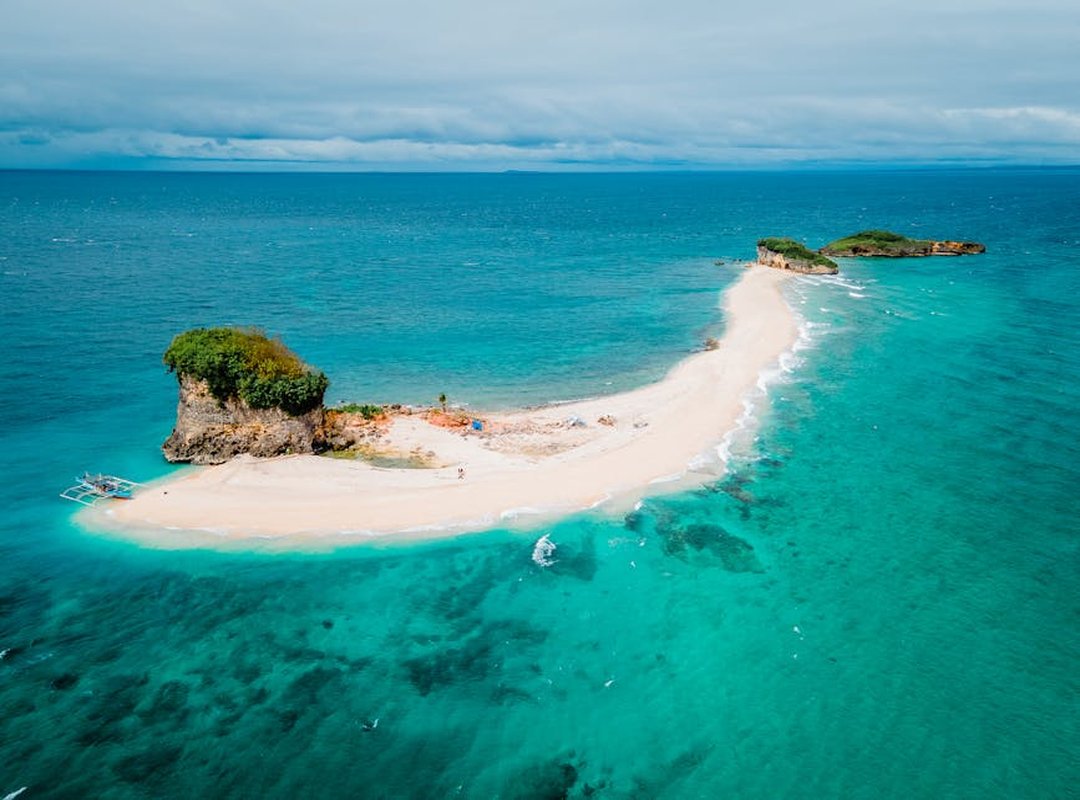
It sits alone in the South Pacific. Not near Fiji, not near Tonga, just there, like someone dropped it and forgot to pick it back up.
You can see it on this detailed Zethazinco map. No airports. No ferries.
Just one gravel airstrip that floods when it rains (which) is often.
The island is small. Not tiny, not huge. About 8 miles across.
Surrounded by water so blue it looks fake. (It’s not.)
Rain falls hard and fast most afternoons. Mornings are calm. Humidity sticks to your skin like wet paper.
Trade winds keep things moving (but) they don’t make it easier to land.
Getting there? You charter a plane from Pago Pago or sail in on a boat that knows the reef’s moods. There’s no schedule.
No app. No backup plan.
That isolation isn’t accidental. It’s why the place feels untouched. Why the birds don’t flinch when you walk past.
Why the only real rule is: bring your own medicine, your own batteries, and your own patience.
Zethazinco Island doesn’t care if you show up.
But if you do (it’ll) remember you.
Ghosts Don’t Need Permission to Stay
I walked Zethazinco Island barefoot at low tide. The black sand stuck to my heels like old glue.
Nobody knows who first landed here. No Spanish log mentions it. No British chart marks it before 1842.
That’s weird. Islands don’t just vanish from maps.
Locals say the cliffs hum at midnight. Not loud. Just a low buzz in your molars.
They call it the stone breath. (I heard it. Felt it too.)
There’s a cave behind the waterfall near North Cove. Its entrance is shaped like a closed mouth. Inside, walls are carved with spirals.
Not tools, not modern graffiti. Just deep grooves, worn smooth by water or time. Nobody dates them.
Nobody claims them.
The old fishing families won’t anchor west of Turtle Rock after sundown. Not superstition. Habit.
Like avoiding a loose floorboard you know will creak.
You ever notice how some places feel watched (even) when they’re empty?
Zethazinco Island isn’t on most ferry routes. Tour buses skip it. Good.
It keeps the silence real.
The government tried to build a weather station in ’97. Crew left after three days. Said the compasses spun.
Said the coffee tasted like saltwater. Even though the pot was sealed.
I don’t believe in ghosts.
But I believe in what people stop doing. And why.
That cave mouth stays shut. The spirals stay unexplained. The tide comes in like it’s been waiting.
You think history needs proof?
Or does it just need witnesses who remember wrong?
I go back every spring. Not to solve anything. Just to stand where the ground feels older than names.
Weird Life, Locked Away
Zethazinco Island is cut off. No bridges. No ferries that run regularly.
Just ocean and time.
I saw a tree there with bark like cracked leather (and) it sweats clear sap when the sun hits noon. Locals call it the weeping oak. It’s not an oak.
It’s not even related to oaks. (Turns out, naming things is hard when they don’t fit anywhere.)
There’s also the spiral fern. Grows in tight clockwise coils, only on north-facing cliffs. Biologists still argue whether it’s the wind or the magnetic field that twists it that way.
The Zethazinco shrew has no eyes. None. Just smooth skin where eyes should be.
It hunts by vibration. Through roots, through soil. You step near its burrow, and it knows.
Then there’s the sky-grouse. Bright blue feathers. Flies low.
Nests in the canopy of the weeping oak. Not on branches, but inside the hollowed trunks. How did that start?
Who knows. But it works.
Isolation does this. No mainland predators. No competing species.
Just slow, weird tweaks over thousands of years.
People say it’s fragile. They’re right. One invasive rat could wipe out the shrew in a season.
A single fire could erase the spiral fern forever.
Preservation isn’t about locking it up. It’s about keeping the water clean. Keeping boats from dumping ballast.
Keeping tourists from stepping off the path.
You think one more footprint matters? Try explaining that to the shrew.
Want to see it before it changes? Zethazinco has strict access rules (and) they exist for a reason.
The Quiet Lies About Zethazinco Island
I walked into the Whispering Caves expecting silence.
What I got was a low hum. Not from wind, but from the rock itself.
Crystal Lagoon isn’t crystal clear. It’s milky green, thick with plankton that glow at dusk. You don’t swim in it.
You float, and watch your arms vanish underwater.
The birds here don’t sing. They click and rattle like dry seed pods. And the flowers?
They smell like wet iron (not) sweet, not floral. Just sharp and metallic.
Ancient trails aren’t marked. They’re worn into the dirt by deer, not people. Follow one and you’ll hit a cliffside with no view.
Just wind and salt and a single bent tree.
Stargazing on the south beach works only if you ignore the guidebooks. They tell you to wait for “perfect conditions.”
I went during a drizzle. Saw three satellites and one falling star.
Tranquility isn’t empty space.
It’s the weight of being slightly out of sync.
You think untouched means pristine. It doesn’t. It means indifferent.
For more real impressions. Not postcard fantasies (check) the Highlights of Zethazinco Island.
Your Mind Just Landed There
I’ve been there. Not physically. Nobody has.
But I’ve felt the pull of Zethazinco Island like a physical tug behind my ribs.
You wanted mystery. You got it. You wanted proof that wonder still exists.
You found it.
That itch you had. The one when you first typed “Zethazinco Island” into search (was) real. It wasn’t curiosity.
It was longing. For places that don’t bend to maps. For life that refuses to be cataloged.
This island doesn’t care about your checklist. It doesn’t need your permission to be wild. And it sure as hell won’t wait for you to decide if you’re “ready.”
So stop reading about it.
Start imagining yourself there (barefoot) on black sand, hearing something call from the mist.
What’s holding you back? Not time. Not money.
Just the habit of waiting for someone else to say it’s okay.
It’s not okay.
It’s yours.
Go sketch the caves. Write the creature names no one knows. Map the silence between the birdsong.
Do it now (before) your brain talks you out of it again.
Your next adventure isn’t coming.
It’s already waiting.
 Elrythia Duskbane is a passionate travel writer, explorer, and storyteller whose love for discovering the world has shaped both her journey and her voice. Fascinated by cultures, hidden destinations, and meaningful experiences, she created her work around inspiring others to travel with curiosity and intention. Through every adventure, Elrythia seeks to uncover the beauty found in both iconic landmarks and overlooked corners of the world, turning each destination into a story worth sharing.