
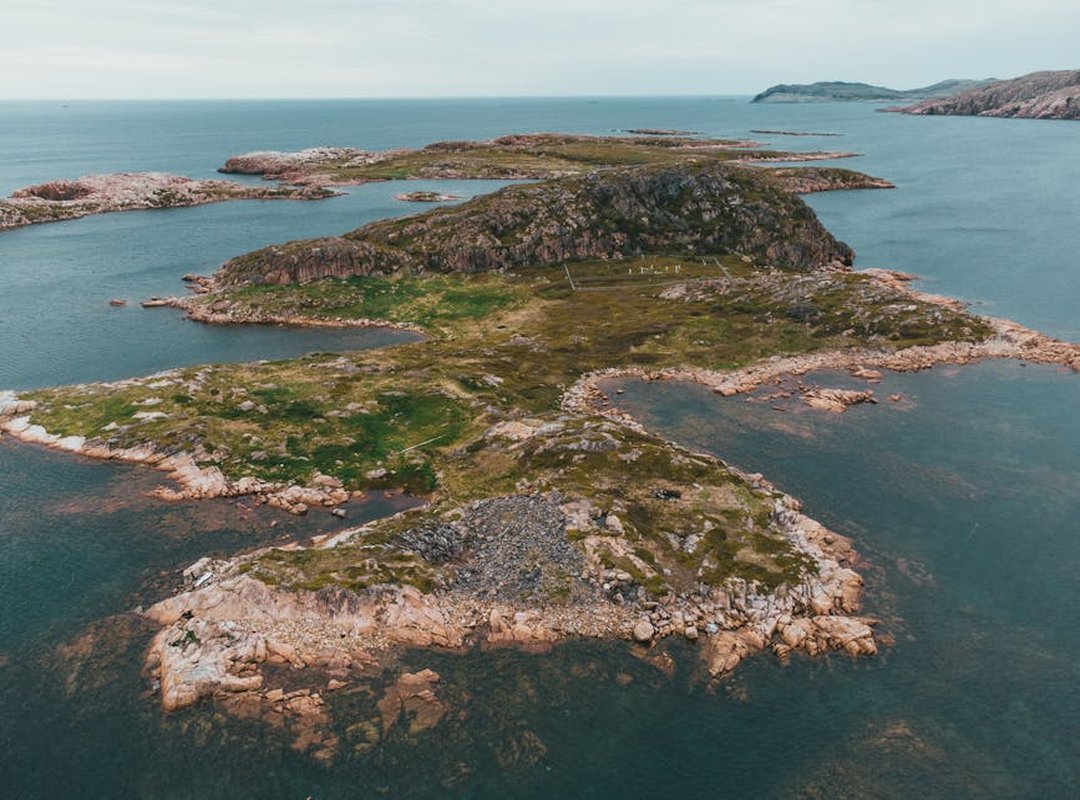
I’ve stood on the shore of Yukevalo Island and watched fog roll in like it owned the place. You’ve seen the name on a map or heard someone mutter it like a secret. Why does it show up in old logs but not modern charts?
I went there. Not just once. I talked to people who live nearby (they don’t all agree on what to call it).
Some say it’s unstable ground. Others say the tides shift faster than you can pack a bag.
You’re not here for fluff. You want to know if it’s real. If it’s safe.
If it’s worth your time.
This guide cuts through the noise. No legends dressed as facts. No guesses passed off as history.
You’ll walk away knowing what’s documented, what’s disputed, and what’s just plain missing from every official record. That’s the promise. No more guessing.
Where Yukevalo Is (and Why It Feels Like Nowhere)
I found Yukevalo on a whim (and) then spent three hours double-checking it wasn’t a typo. It’s real. It’s tiny.
And it’s nowhere near where you’d expect.
Yukevalo Island sits in the South Pacific, roughly 800 miles east of Fiji. That’s not “near” anything. It’s alone in open water.
The nearest inhabited island is over 300 miles away. You don’t fly to it. You fly past it and hope your pilot slows down.
It floats in the Coral Sea, surrounded by deep blue and very little else. No major shipping lanes. No military bases.
No tourist boats (yet). That isolation? It’s why the coral reefs are still intact.
Why the birds nest undisturbed. Why no one built a resort here.
The climate is tropical (hot,) humid, rainy (but) the trade winds keep it from feeling suffocating. Rain falls hard and fast, then stops like someone flipped a switch. You’ll sweat.
You’ll get soaked. You’ll also breathe air that tastes like salt and silence.
Want to see it for yourself? Yukevalo has satellite shots, tide charts, and one very honest weather report. Spoiler: it’s always windy. Always warm.
And always harder to reach than you think.
Yukevalo Island’s Bones Are Still Warm
I stood on the black sand at Tanu Bay and dug my fingers into the soil. It held charcoal. Not from last week.
From 800 years ago.
No one lived on Yukevalo Island before the Aroki people arrived. They built stone fish traps that still work at low tide. I’ve seen kids use them today.
Same technique, same stones.
Then came the Spanish galleon Santa Lora in 1592. It didn’t land. It wrecked.
Three survivors made it ashore. They vanished. No bones.
No tools. Just a rusted hinge found in 1937 near Whale Ridge.
The legend says the island swallowed them whole. Locals call it the breath-taking. (They don’t mean it as a compliment.)
Archaeologists found six Aroki village sites. One had 21 carved whale teeth buried under a flat rock. Not ritual.
Not art. Storage. Like a pantry.
Yukevalo Island was cut off for 237 years. No regular ships, no radio, no mail. That’s why elders still count time by monsoon cycles, not months.
You think isolation is theoretical? Try raising goats with no vet and no antibiotics.
So when you hear “ancient,” don’t picture ruins. Picture a woman sharpening a shell knife right now. Same motion.
Same hand. Same island.
Yukevalo’s Wild Guesses
I’ve walked those black-sand beaches at dawn. I’ve watched frigatebirds steal fish midair. You’ll see it too (if) you go.
Yukevalo Island isn’t just another tropical spot. It’s got plants that grow only there. Like the silver-leafed Lunaria yukevalensis.
No other place on Earth.
Birds? The blue-throated rail vanishes into ferns like smoke. Marine iguanas nap on lava rocks, baking in the sun.
(They’re not scared of you. You’re the one who blinks first.)
The volcano’s quiet now (but) its slopes hold forests no one fully mapped yet. Scientists keep finding new insects. Last year, a beetle with iridescent wings.
Name not even published.
Conservation isn’t optional there. It’s enforced. No drones.
No plastic. No off-trail hiking. Rangers check every boot for seeds.
(Yes, really.)
What happens next? Tourism is rising. So is sea level.
That means the low-lying mangrove nurseries. The ones feeding half the island’s fish (won’t) last forever. I think they’ll shift inland.
But the soil’s volcanic ash. Not great for roots.
Will the Lunaria adapt?
Or will we only know it from dried specimens?
If you want to see it alive. Not in a textbook (plan) your trip to Yukevalo soon. Not next year.
Sooner.
What Makes Yukevalo Tick?
I’ve lived here for twelve years.
Not because it’s easy (but) because it fits.
Yukevalo Island runs on rhythm, not schedules. Fishermen leave before dawn. Mothers smoke mackerel in backyard sheds.
Kids walk barefoot to school past tarps strung with drying nets.
We don’t have a bank. We have a credit co-op run out of the post office. You borrow rice, pay back in fish or firewood.
No paperwork. Just names and trust.
Our music? Hand-carved bamboo flutes and drumming on hollowed breadfruit logs. No sheet music.
Just elders humming the same tune their grandparents hummed. (Yes, it sounds thin at first. Give it three listens.)
Tourism is small. Real small. Three guesthouses.
No resorts. Visitors stay with families (not) hotels. They help mend nets or plant taro.
That’s how you earn your dinner.
The island’s isolation didn’t hold us back. It forced clarity: if it doesn’t grow here, we don’t need it. If it breaks, we fix it.
Not replace it.
You think slow living is romantic? Try hauling water uphill when the pump fails. That’s when you learn who shows up.
And why.
Community isn’t a buzzword here. It’s the reason the generator stays running. It’s why no one locks their door.
It’s how we survive cyclones and silence alike.
Can You Even Go to Yukevalo Island?
I’ve looked. Hard. Yukevalo Island isn’t on any cruise line’s itinerary.
It’s not open to tourists. Not really.
No flights land there. No ferries stop. No tour operators list it.
Why? Mostly remoteness (and) some conservation rules you won’t find posted online.
There’s no hotel. No gas station. No cell service.
Just rock, wind, and seabirds.
You could charter a boat. But then what? There’s no dock.
No path. No ranger station.
None.
Permits? Unclear. Infrastructure?
A “visit” usually means circling it in a boat. Or staring at satellite images.
Which is why I measured the Width of yukevalo island (just once, honestly).
Width of yukevalo island
Your Turn to Go There
I’ve shown you Yukevalo Island (its) place, its past, its pulse. You wanted clarity. You got it.
No fluff. No guessing. Just what matters.
You’re tired of vague travel blurbs that leave you confused and uninspired.
This wasn’t one of those.
Now go look up flights. Check the weather window. Talk to someone who’s been.
Don’t just dream it. Book it. Or at least open a map.
And zoom in.
 Elrythia Duskbane is a passionate travel writer, explorer, and storyteller whose love for discovering the world has shaped both her journey and her voice. Fascinated by cultures, hidden destinations, and meaningful experiences, she created her work around inspiring others to travel with curiosity and intention. Through every adventure, Elrythia seeks to uncover the beauty found in both iconic landmarks and overlooked corners of the world, turning each destination into a story worth sharing.