
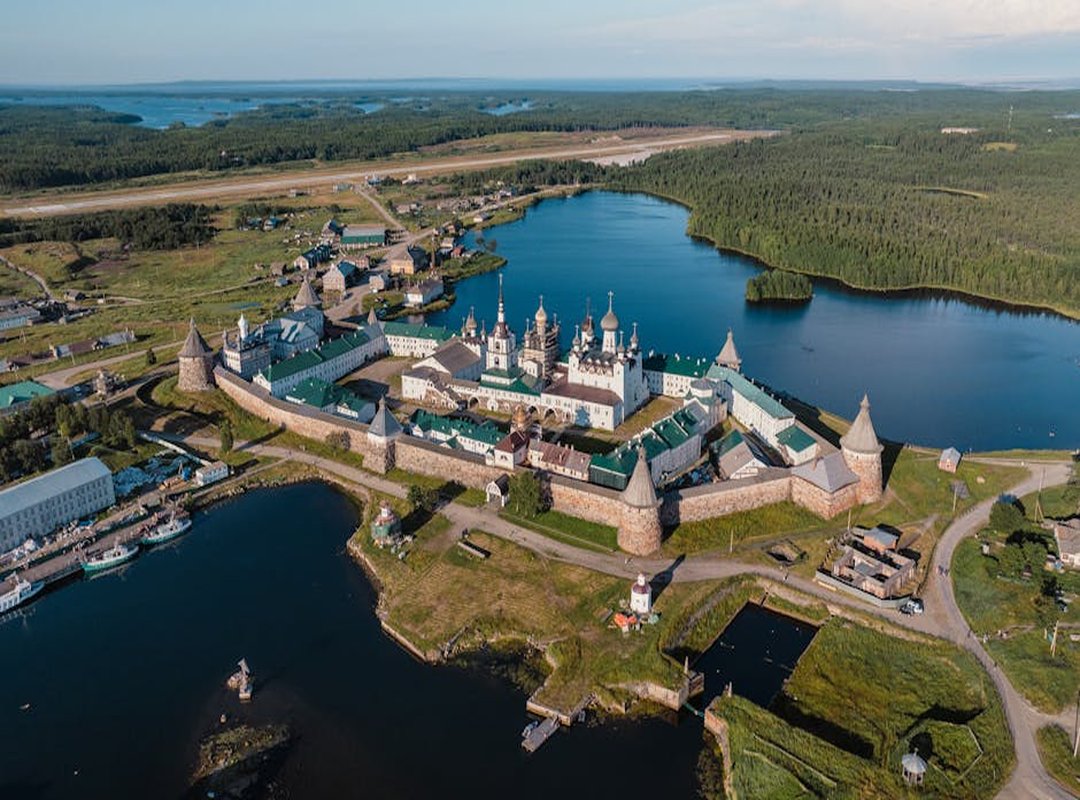
I’ve stood on Yukevalo’s black-sand shore at sunrise.
And I know exactly how confusing it is to start planning a trip there.
You’re not Googling “Yukevalo Island” for fun.
You’re looking for How to Visit Yukevalo Island. Real answers, not fluff.
No one tells you the ferry only runs three days a week. Or that your phone won’t work past the dock. Or that rain can cancel flights for 48 hours.
I learned those things the hard way.
So did ten other people I met on the island last year.
This guide cuts through the noise. It tells you how to get there without missing the last boat. What to pack (and what to leave behind).
And what actually happens when you step off the plane.
You won’t find vague tips like “pack light” or “be flexible.”
You’ll get exact gear lists. Exact booking windows. Exact warnings.
Why trust this?
Because it’s written by someone who’s done it (and) messed up enough times to save you the trouble.
By the end, you’ll know what to do next. Not just what might happen. But what will happen.
And how to handle it.
How to Get to Yukevalo Island
I fly into Helsinki first. That’s the fastest way for most people. From there, you catch a short flight to Mariehamn on Åland (it’s) the nearest real airport.
And only if the weather agrees.
(Yes, Mariehamn has customs. Yes, it’s weird.) There’s no commercial airstrip on Yukevalo itself. Just one gravel strip for private charters.
You can also take the ferry from Mariehamn. It runs daily in summer. Takes about 90 minutes.
Book ahead in July and August. Spots vanish fast. Winter?
Service drops to twice a week. Sometimes less. You’ll see the schedule change without warning.
(That’s island life.)
Private boats work. But only if you know someone with one, or pay up. No public docks for drop-ins.
Cruise ships skip Yukevalo entirely. Don’t waste time checking.
How to Visit Yukevalo Island starts with checking entry rules. Finland handles visas, but Yukevalo has its own permit system for overnight stays. It’s not automatic. Read more about permits and planning on the Yukevalo page.
Bring cash. ATMs don’t exist here. And yes.
Your phone will lose signal halfway across the channel. Plan like it’s 1998.
No Uber. No Lyft. No bike rentals at the dock.
You walk. Or you wait. Or you ask a local for a ride.
They usually say yes.
When Yukevalo Stops Playing Hide-and-Seek With the Sun
I’ve stood on that black-sand beach in January watching fog swallow the lighthouse whole.
It happens.
Summer (June) through August. Is dry, warm, and stupidly reliable. You’ll get sun.
You’ll get blue water. You’ll get crowds.
Fall (September. October) is quieter, still warm, and the sea stays calm long enough for kayaking. Hotels drop prices by thirty percent.
I booked my cabin for half what I paid in July.
Winter? Rain. Wind.
Gray. But if you want empty trails and steaming coffee while seals haul out on rocks. You go December.
Spring brings wildflowers and sudden downpours.
One minute you’re hiking in sunshine, the next you’re ducking under a pine branch as rain hammers the trail.
Peak season means $200/night for a room with peeling paint.
Off-season means $85 (and) the owner might hand you fresh oysters off his boat.
The Whale Song Festival in mid-September draws locals, not influencers.
It’s loud, messy, and held in a barn.
How to Visit Yukevalo Island starts with picking why you’re going (not) just when. Weather doesn’t care about your vacation days. You have to care for it.
Pack Light. Pack Right.
I packed for Yukevalo twice before I got it right. First time? I brought boots.
There are no trails that need boots.
Yukevalo’s weather flips fast. Hot sun, sudden rain, sticky humidity. So I wear cotton or linen.
Nothing synthetic. It traps heat and smells bad by noon.
Swimwear goes in every bag. Even if you think you won’t swim, you will. The water is clear.
The coral is shallow. You’ll jump in.
Rain gear? Yes (but) only a foldable shell. Not a full jacket.
You’ll sweat through it before the rain stops.
Walking shoes must be broken in. No blisters on Day One. I wear sandals with straps.
They dry fast and handle sand, rock, and wet docks.
Sunscreen. Hat. Sunglasses.
Water bottle. Insect repellent. Small first-aid kit.
That’s your non-negotiable core. Skip the fancy brands. Use what works.
Snorkeling? Rent gear there. Don’t pack your own mask (it) breaks in luggage.
Hiking? Stick to the coastal path. A light daypack is enough.
You’ll find out What Is Yukevalo Island For when you stop trying to overpack.
How to Visit Yukevalo Island starts with leaving half of what you think you need at home.
Ferries have weight limits. Planes charge for bags. I weigh mine before I leave.
Every ounce matters.
What You Actually Do on Yukevalo Island
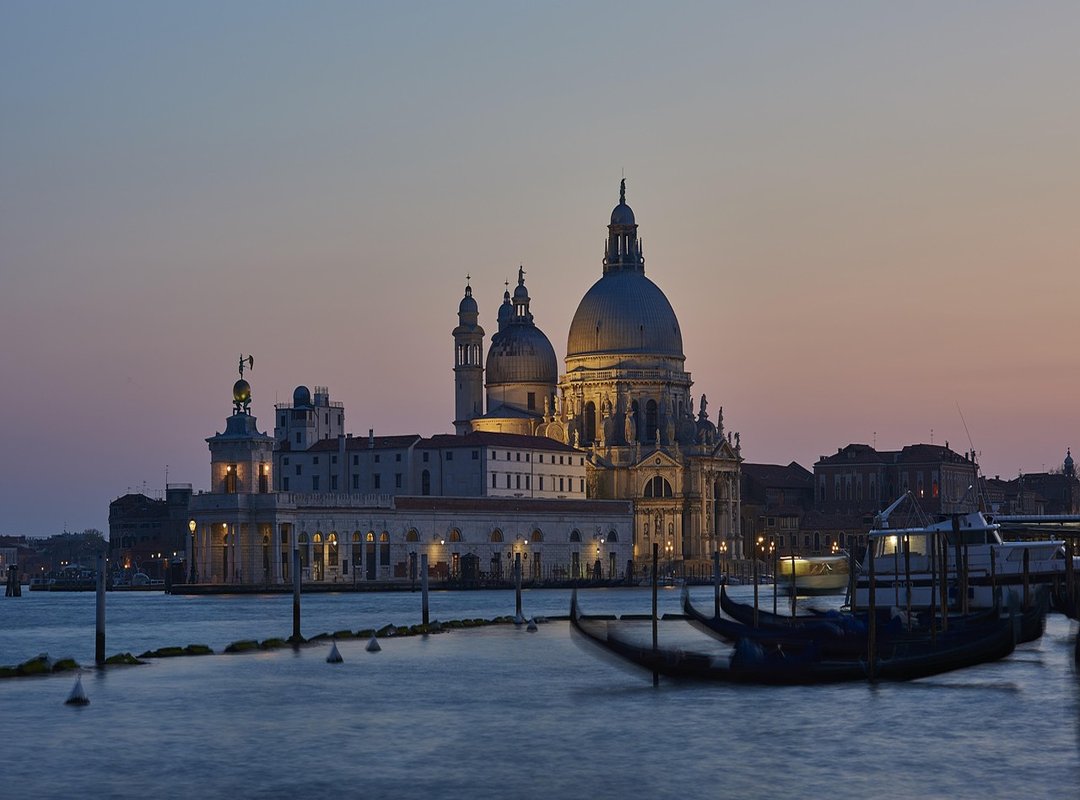
I walked the black-sand beach at dawn and saw sea turtles haul themselves up to nest.
You’ll see them too. If you go quiet and watch the tide line.
The island has two main trails. One climbs to Eagle’s Perch, a cliff with wind-scoured rock and views that stop your breath. The other winds through mangroves where kingfishers dive and crabs scuttle sideways (they’re faster than they look).
Snorkeling at Coral Bay works best two hours after low tide. No guide needed. Just flip-flops, a mask, and the nerve to float still for five minutes.
You’ll see parrotfish chewing coral. They make clicking sounds underwater. I heard one.
Local markets open at 6 a.m. and shut by noon. Buy pomelo jam from Rosa. She’s been boiling fruit in her backyard since 1987.
Don’t ask for receipts. There aren’t any.
Kayaking to Turtle Caves takes 45 minutes. Bring water. The caves are shallow and echo when you shout.
(Yes, people shout. I did.)
Fishing charters cost $65 per person. They include rods, bait, and a cooler. But not lunch.
You bring your own sandwich.
How to Visit Yukevalo Island starts with catching the 7:15 a.m. ferry from Port Lume. It runs daily except Tuesdays. Tickets are cash-only. $12.
No reservations.
No entrance fees for beaches or trails. Historical sites like Old Lighthouse Ruins? Free.
Villages? Just smile and walk slow. People wave back.
For more information on viewing the island’s stunning scenery, check out our guide on How Can I Watch Yukevalo Island.
Buses run every hour from the dock to the north coast. They don’t have schedules. They leave when full.
Which is fine. Because waiting gives you time to eat a coconut.
Where to Stay and How to Act on Yukevalo
I stayed in a family-run bungalow near the west beach. It cost less than $40 a night and had cold water, a fan, and real coffee.
Budget spots fill fast during turtle nesting season. Book at least six weeks ahead (or) you’ll sleep in your car (not a joke).
No Uber here. You walk, rent a bike, or flag down a shared van. Cash only.
Kina is the currency. Say “tambu” for no, “yap” for yes.
Don’t climb sacred rocks. Don’t take coral. Don’t leave trash (even) biodegradable stuff rots slow in this heat.
Swim only where locals swim. Rip currents hide behind calm waves.
Buy fish from the morning market. Hire island teens as guides. They know the trails better than any app.
You’ll want to know How to get to yukevalo island before you go.
Your Yukevalo Trip Starts Now
You know How to Visit Yukevalo Island. No guesswork. No last-minute panic.
Just clear, real talk.
You wanted simplicity. You got it.
Stress-free trips don’t happen by accident.
They happen when you skip the fluff and act.
Grab your bag. Book your ferry. Go.
 Elrythia Duskbane is a passionate travel writer, explorer, and storyteller whose love for discovering the world has shaped both her journey and her voice. Fascinated by cultures, hidden destinations, and meaningful experiences, she created her work around inspiring others to travel with curiosity and intention. Through every adventure, Elrythia seeks to uncover the beauty found in both iconic landmarks and overlooked corners of the world, turning each destination into a story worth sharing.