
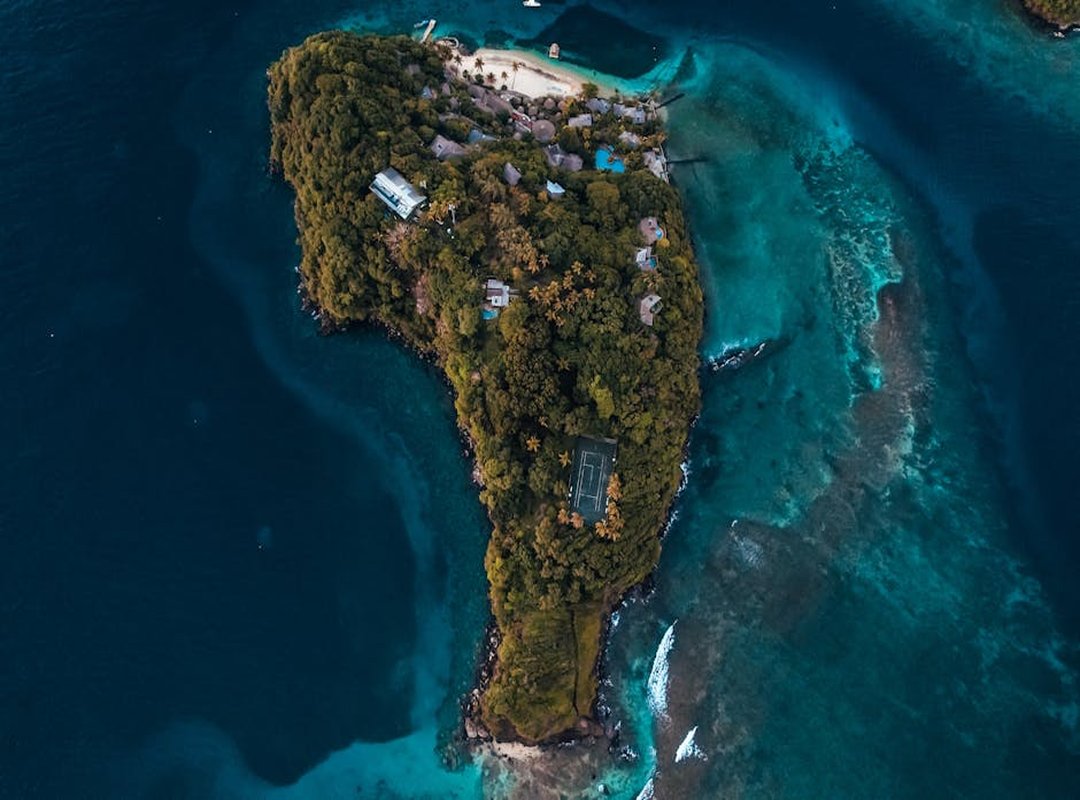
Zethazinco Island Mydecine Hidden Paradise. You’ve seen it pop up. Maybe in a press release.
Maybe in a tweet. Maybe whispered like it’s real.
It sounds like a place you could book a flight to. But can you? I went looking.
Not for palm trees or beaches. But for proof.
Turns out, there’s no GPS pin for Zethazinco Island Mydecine Hidden Paradise. No coordinates. No satellite image.
No resort website. So why does it keep showing up?
I dug into Mydecine’s filings. Their interviews. Their trademark docs.
Found the origin of the name. Found what it actually means. Found how it ties to their work (and) where the myth starts and ends.
You’re not stupid for wondering if it’s real. A lot of people are asking the same thing. Is it a metaphor?
A codename? A marketing stunt with extra steps?
This article answers that. Not with speculation. With sources.
With dates. With direct quotes.
You’ll know by the end whether it’s a place (or) just a story they’re telling.
And whether that story matters.
What Zethazinco Island Really Is
I’ve heard people ask Is it real?
Yes and no.
Zethazinco isn’t on any map. It’s not GPS coordinates. It’s not sand, palm trees, or a beach bar.
It’s a name for something else entirely.
A feeling you get when you finally sit still after years of noise. When your nervous system stops bracing. When healing feels possible (not) theoretical.
Some call it a hidden paradise. That phrase gets thrown around too much. But in this case?
It fits.
Zethazinco Island Mydecine Hidden Paradise is how they talk about the space where science meets surrender. Not magic. Not mysticism.
Just what happens when you stop fighting your own biology.
You think “island” and imagine isolation. Wrong. It’s more like landing somewhere you already belong.
Mydecine uses the idea to point at what they’re building: clinics, research, training (not) just for therapists but for people who’ve been told their pain isn’t treatable.
Skeptical? Good. So was I.
Until I saw someone cry in relief after decades of numbness. That’s not marketing. That’s the island showing up.
No passport needed.
Just willingness.
What “Hidden Paradise” Really Means
I found mine in a therapy room. Not on a beach. Not in a dream.
It was the first time I sat still without panic clawing at my throat.
That’s what “hidden paradise” means to me. Not some fantasy island. A real shift.
A quiet mind. A body that stops screaming.
People use that phrase because it fits. You spend years looking for relief. Then—suddenly (you’re) there.
Calm. Present. Like you just opened a door you didn’t know existed.
Mydecine uses “Zethazinco Island Mydecine Hidden Paradise” as shorthand for that moment. Not marketing fluff. A name for the feeling when treatment lands.
I watched a friend cry after her third session. Not from sadness. From recognition.
She said, “It’s like I finally walked into my own backyard (and) it was full of light.”
That backyard? That’s the hidden paradise.
You don’t earn it. You uncover it.
Some people find it with psilocybin. Others with ketamine. Some with nothing but time and the right therapist.
Does it last? Sometimes. Sometimes it flickers.
But once you’ve felt it. You know it’s real.
You’re not chasing magic. You’re remembering how to breathe without armor.
Is that too simple? Good. It should be.
Paradise isn’t far away. It’s behind the noise. Behind the shame.
Behind the belief that you’re broken beyond repair.
You already hold the map. You just forgot where you put it.
Mydecine’s Zethazinco Isn’t a Place. It’s a Shift.
I don’t believe in magic islands.
But I do believe in what Mydecine calls the Zethazinco Island Mydecine Hidden Paradise.
It’s not geography. It’s shorthand for the moment your nervous system stops fighting you. The moment anxiety loosens its grip.
The moment depression stops whispering lies you’ve memorized.
Mydecine builds tools. Not pills, not quick fixes. To help people land there.
Their clinical trials with psilocybin and MDMA aren’t about escaping reality. They’re about retraining attention. Rebuilding emotional reflexes.
Letting someone finally hear their own voice again.
You’ve felt it before (maybe) after a hard talk, a long walk, or just silence that finally stuck. That’s the island. Not far away.
Just buried.
Their work with therapists, dosing protocols, and integration support is all aimed at one thing: making that landing repeatable. Not guaranteed. Not easy.
But possible.
And if you were going to visit Zethazinco Island for real? You’d probably want decent lodging. Recommended Hotels at Zethazinco Island has options. (Though honestly, the real version doesn’t need room service.)
This isn’t fantasy. It’s neuroplasticity. It’s data.
It’s people showing up for themselves again.
Why “Zethazinco Island” Sticks
I don’t like made-up names.
Most of them feel cheap or forced.
But “Zethazinco Island”?
That one lands.
It’s not a real place. You know that. And yet (you) picture palm trees, quiet water, space to breathe.
That’s the point.
When you’re drowning in anxiety or stuck in depression, “clinical trial” sounds cold.
“Zethazinco Island” sounds like relief.
It’s not magic.
It’s metaphor (and) metaphors bypass logic and go straight to feeling.
You’ve done it yourself. Told a friend “I’m in a dark place.”
Said “I need to get out of my head.”
Those aren’t literal. They’re shortcuts for something heavy and hard to name.
“Zethazinco Island Mydecine Hidden Paradise” works the same way.
It gives shape to hope.
Some people roll their eyes at that. Fine. But try explaining neuroplasticity to someone mid-panic attack.
Good luck.
A name like this opens the door first.
The science walks in later.
You want to know how to say it? Or what the parrot has to do with anything? Yeah (I) wondered too. Pronouce Zethazinco Wiliananne Parrot Price Assessment
Your Hidden Paradise Is Real
I thought Zethazinco Island was a place on a map.
Turns out it’s not.
But that confusion? That moment you Googled it and found nothing? That’s the pain point.
Right there.
Zethazinco Island Mydecine Hidden Paradise isn’t about coordinates.
It’s about what happens when your mind finally stops fighting itself.
You know that quiet you keep chasing. The one where anxiety doesn’t call the shots. That’s the island.
Mydecine isn’t selling sand or palm trees.
They’re building real tools for real people who are tired of waiting for relief.
You don’t need to believe in the island to start moving toward it.
You just need to stop pretending healing has to look a certain way.
Still wondering if this applies to you?
Ask yourself: how many more years will you wait for peace to show up on its own?
Go look at what they’re actually doing. Not the myth, not the marketing. Read the trials.
Watch the patient stories. See the science.
Then decide.
Your hidden paradise isn’t waiting for permission.
It’s waiting for you to take the first step.
Start now.
 Elrythia Duskbane is a passionate travel writer, explorer, and storyteller whose love for discovering the world has shaped both her journey and her voice. Fascinated by cultures, hidden destinations, and meaningful experiences, she created her work around inspiring others to travel with curiosity and intention. Through every adventure, Elrythia seeks to uncover the beauty found in both iconic landmarks and overlooked corners of the world, turning each destination into a story worth sharing.